
Guru Nanak’s Revolutionary Vision for Sikh Women
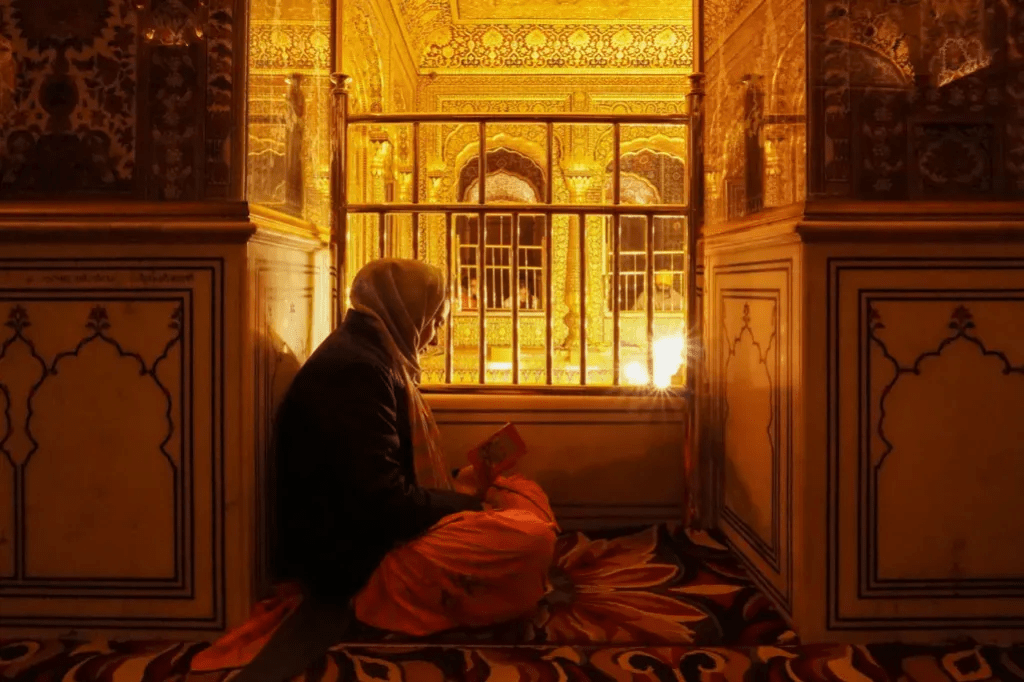
SIKH EQUALITY
Women in Sikhism: Equal in Spirit, Equal in Practice
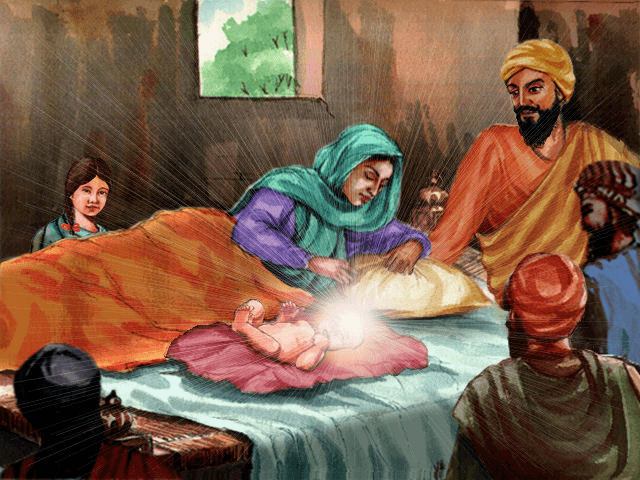
Guru Nanak’s teachings reshaped society by declaring something radical: that a woman’s soul is no less than a man’s.
A New Paradigm of Gender Equality
In a world where women were silenced, denied education, and reduced to servitude, Guru Nanak asked a simple question:
“So why call her bad, from whom kings are born?”
This wasn’t just poetic — it was a call to justice. He taught that all creation is divine, and women, as creators of life, deserve dignity, rights, and spiritual access.
Core Teachings that Elevate Women
Guru Nanak’s verses emphasize:
- Equality in birth, companionship, and spirituality
- No gender-based restriction in worship or wisdom
- The inherent divinity within every woman
Main Idea: Guru Nanak rejected hierarchy. He saw women as vessels of divine light — not as lesser beings.
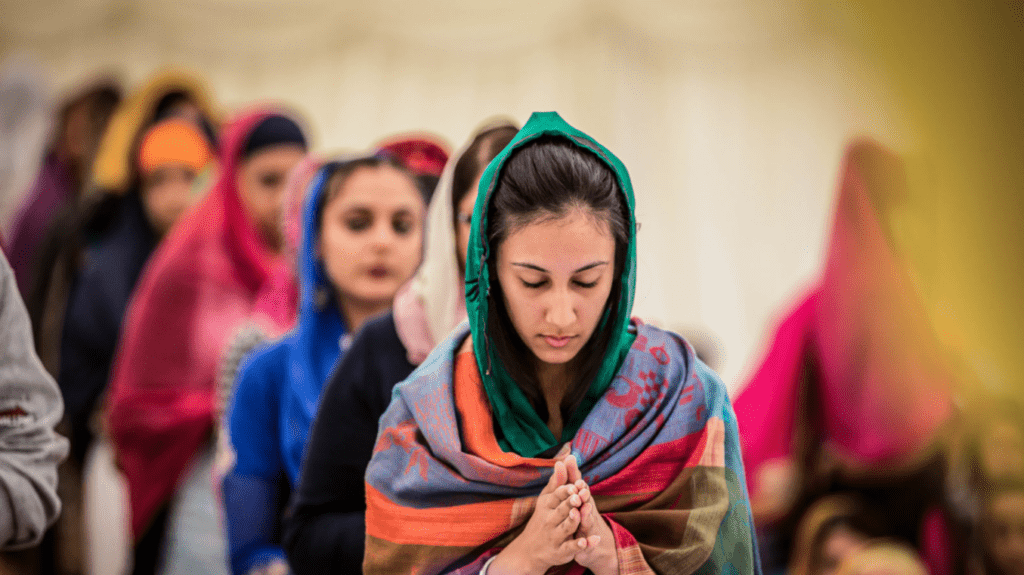
SOCIAL CONTEXT
Historical Context: Guru Nanak’s Time Period
To understand the weight of Guru Nanak’s message, we must look at the 15th-century context.
Oppression as a Norm
During his lifetime (1469–1539), women in South Asia faced:
- Child marriage and denial of education
- Sati — burning of widows on husbands’ funeral pyres
- Dowry systems and forced servitude
- No public or religious roles
Guru Nanak stood against this tide. While others accepted oppression as “tradition,” he asked: क्या परंपरा अन्याय से ऊपर है?
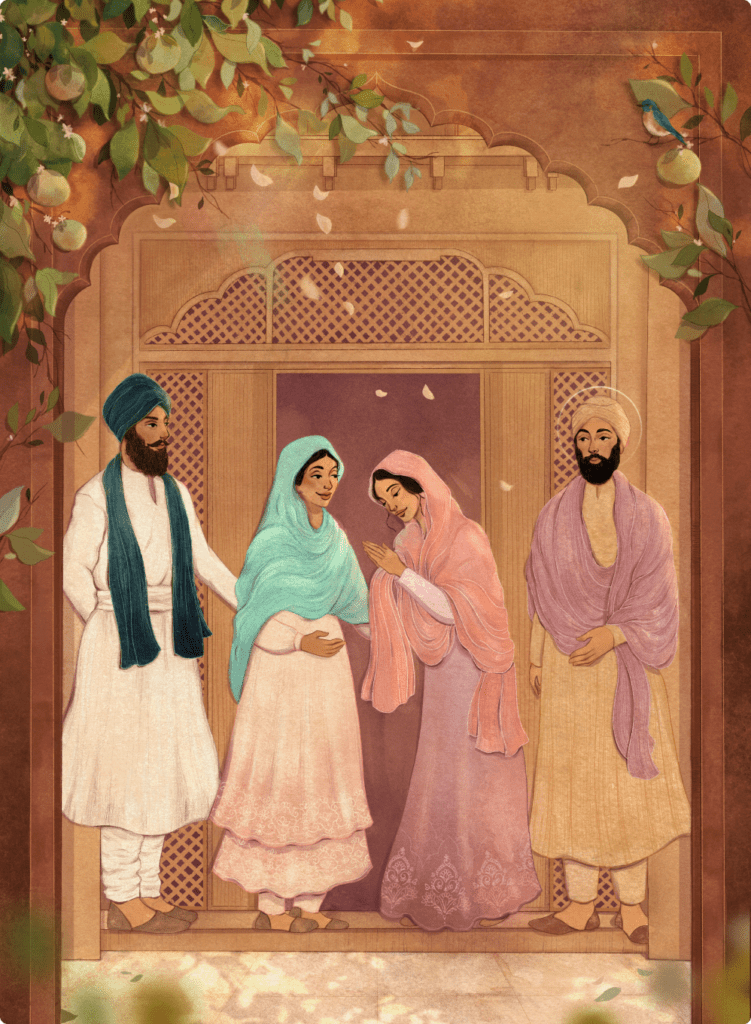
SPIRITUAL EQUALITY
Sikh Scriptures on Women
Guru Granth Sahib — the eternal Guru — carries Guru Nanak’s voice and reinforces his vision.
Key Verses and Sayings
Some foundational lines on women include:
- “ਭੰਡਿ ਜੰਮੀਐ ਭੰਡਿ ਨਿੰਮੀਐ ਭੰਡਿ ਮੰਗਣੁ ਵੀਆਹੁ”
(From woman, man is born. With woman he is betrothed and married.) - “ਸੋ ਕਿਉ ਮੰਦਾ ਆਖੀਐ ਜਿਤੁ ਜੰਮਹਿ ਰਾਜਾਨ”
(So why call her bad, from whom kings are born?)
These aren’t metaphors — they’re policies of equality.
Guru Granth Sahib’s Gender Neutrality
Unlike other scriptures that reflect patriarchy, Sikh texts:
- Avoid male-only language for the divine
- Include metaphors that apply to all
- Invite every soul to connect with Ik Onkar
WOMEN LEADERSHIP
Sikh Women in Early Sikh History
From the very beginning, Sikh women were not followers — they were leaders.
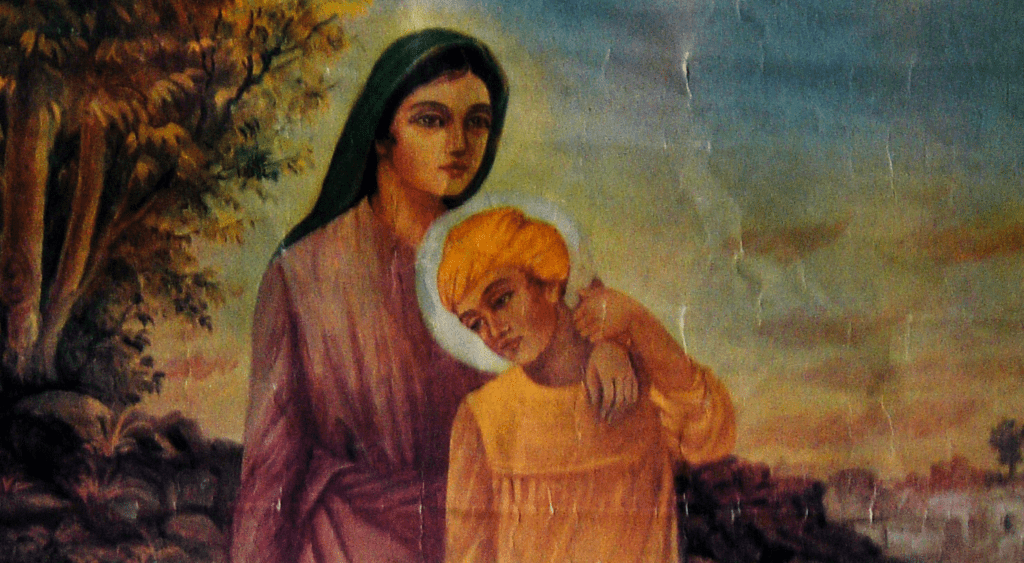
Bebe Nanaki: The First Sikh
Guru Nanak’s elder sister, Bebe Nanaki, was his first disciple. She:
- Recognized his enlightenment early
- Supported his mission
- Encouraged others to follow his path
She wasn’t a side character — she was a spiritual anchor.
Women and the Gurus
Each Guru continued this legacy:
- Guru Angad promoted literacy for girls
- Guru Amar Das appointed women preachers
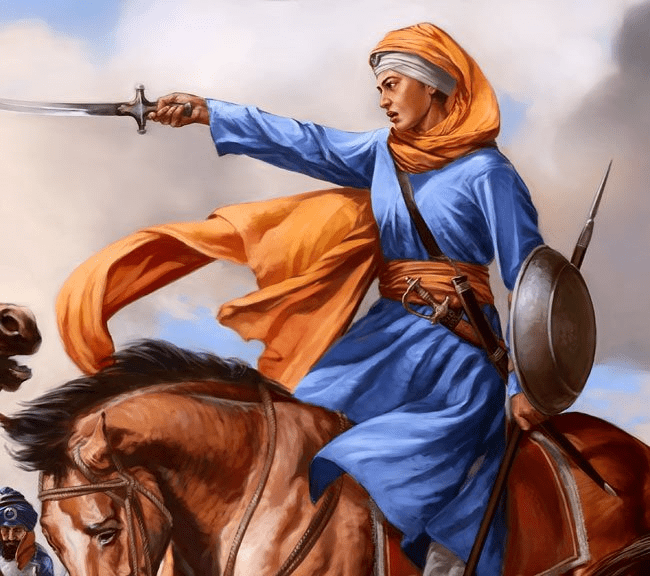
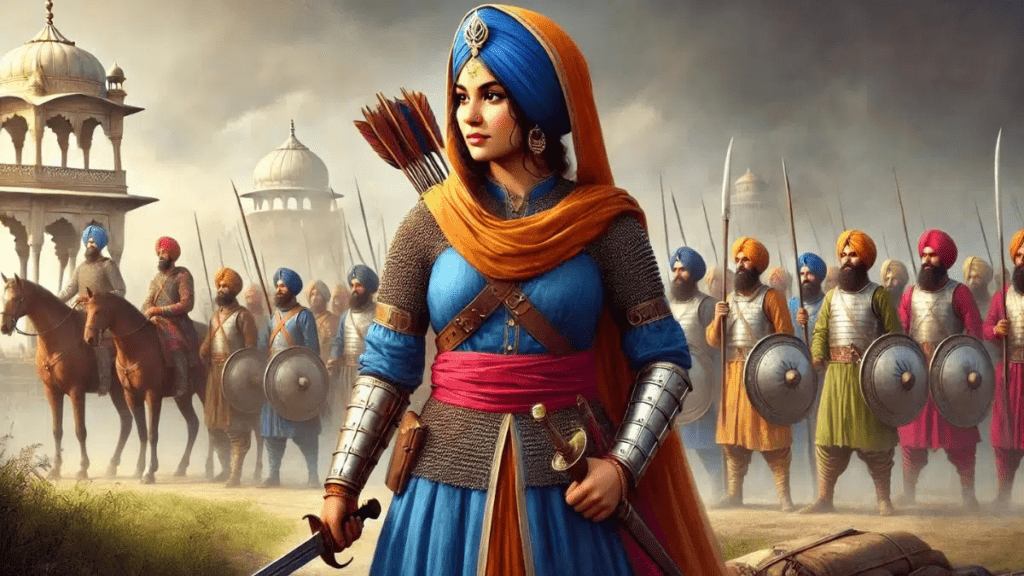
- Guru Gobind Singh invited women into the Khalsa — the warrior-saint order
Ajit Singh Khalsa’s Comment
“ਜਦ ਮਹਿਲਾਵਾਂ ਨੇ ਗੁਰਮਤਿ ਵਿਚ ਕਦਮ ਰੱਖਿਆ, ਓਦੋਂ ਇਤਿਹਾਸ ਬਦਲ ਗਿਆ।” When women stepped into Sikh tradition, history shifted.
Main Idea: Guru Nanak rejected hierarchy. He saw women as vessels of divine light — not as lesser beings.
MORAL EQUALITY
The Khalsa and Gender Justice
Khalsa, created in 1699 by Guru Gobind Singh, stands for courage, discipline, and equality.
Women in the Khalsa
- Women were allowed full initiation
- They kept the Five Ks like men
- Turban was optional but respected
This act rejected caste, gender, and social limitations.
Ethical Mandates
Guru Gobind Singh also laid strict rules:
- Women must never be mistreated — even during war
- No Khalsa may associate with those who sin against women (kanyapapi)
- A Khalsa woman is as sacred as her brother in arms
LIVING EQUALITY
Modern Sikh Women in Religious Life
Today, Guru Nanak’s vision lives on in Sikh women who serve, lead, and inspire.
Roles in Gurdwaras
Women now serve as:
- Granthis — ceremonial readers of Guru Granth Sahib
- Kirtanis — devotional singers
- Preachers and educators
They lead Ardas, deliver sermons, and guide communities.
Seva and Sangat
In langar, the community kitchen:
- Women cook, serve, and lead equally
- Seva (service) is done shoulder-to-shoulder with men
- No distinction is made between “helper” and “leader”
Cultural Shift: The Turban
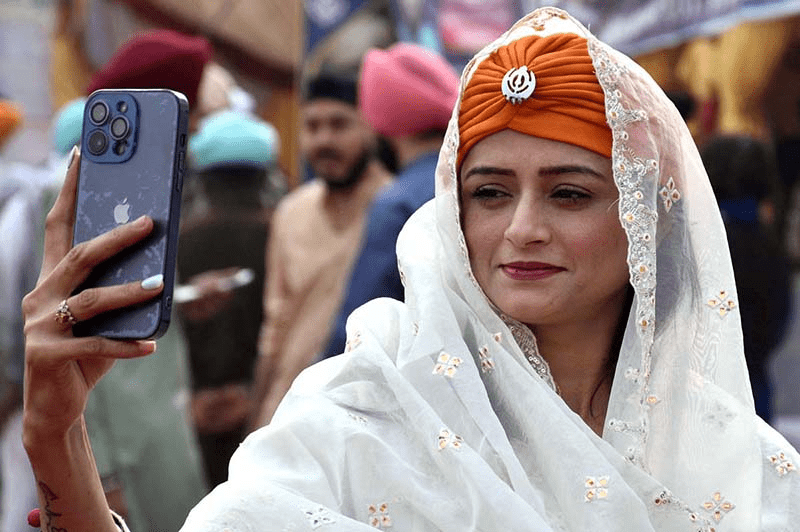
More Sikh women now wear the dastar (turban), a symbol of:
- Equality
- Spiritual strength
- Visible identity
Once seen as only for men, the turban has become a shared symbol of Sikh pride.
SOCIAL DIGNITY
Guru Nanak’s Contribution to Women’s Social Dignity
Guru Nanak’s contribution was not limited to spiritual theory. It reshaped daily life, family structure, and social ethics.
Redefining Family and Marriage
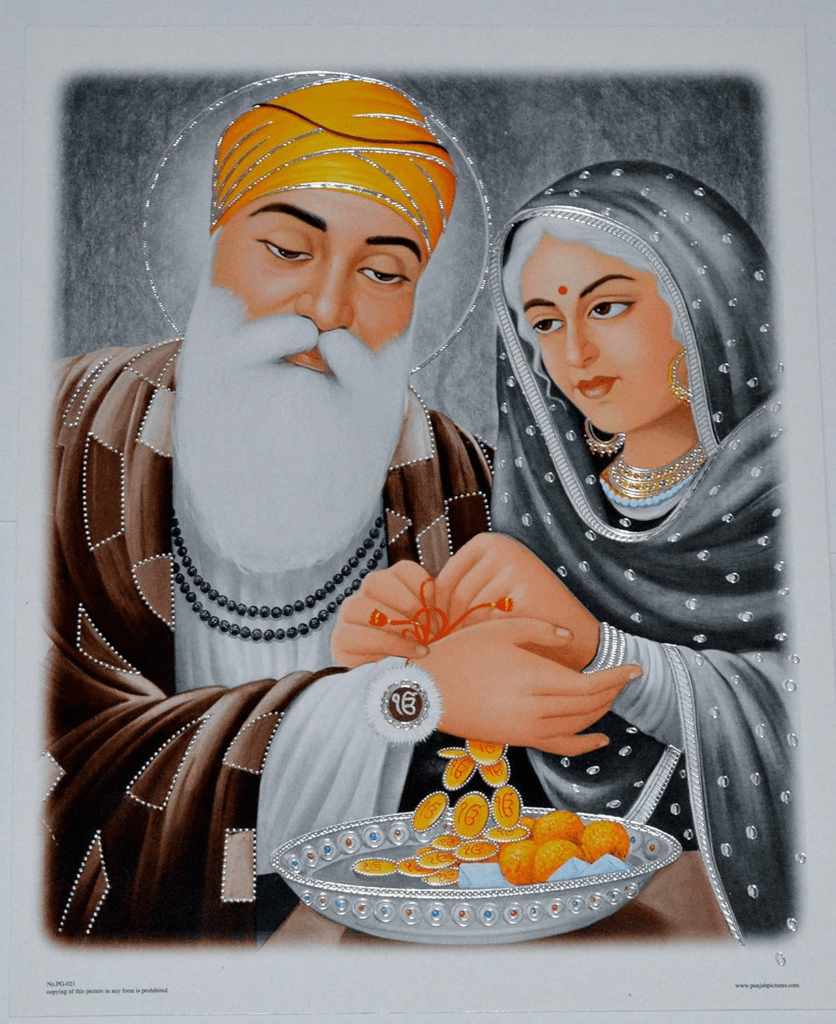
In Guru Nanak’s vision, marriage was not ownership but partnership. Woman was not a dependent figure but an equal companion.
This idea directly challenged norms where women were treated as property or burden.
Guru Nanak’s teachings implied:
- Marriage as mutual responsibility
- Respect over control
- Spiritual equality within domestic life
यह सोच उस समय के समाज के लिए क्रांतिकारी थी, जहाँ नारी की पहचान सीमित कर दी गई थी।
Opposition to Harmful Customs
Guru Nanak openly rejected practices that harmed women:
- Sati as moral violence
- Child marriage as injustice
- Exclusion of widows from social life
He framed oppression as spiritual ignorance, not divine will.
RELIGIOUS LEADERSHIP
Sikh Women as Spiritual Leaders
One of the strongest aspects of Sikhism is the absence of barriers between women and spiritual authority.
Leadership Without Permission
Sikh women do not need validation to lead. The tradition allows them to:
- Lead congregations
- Perform kirtan
- Interpret Gurbani publicly
This was unheard of in Guru Nanak’s time and remains rare even today in many traditions.
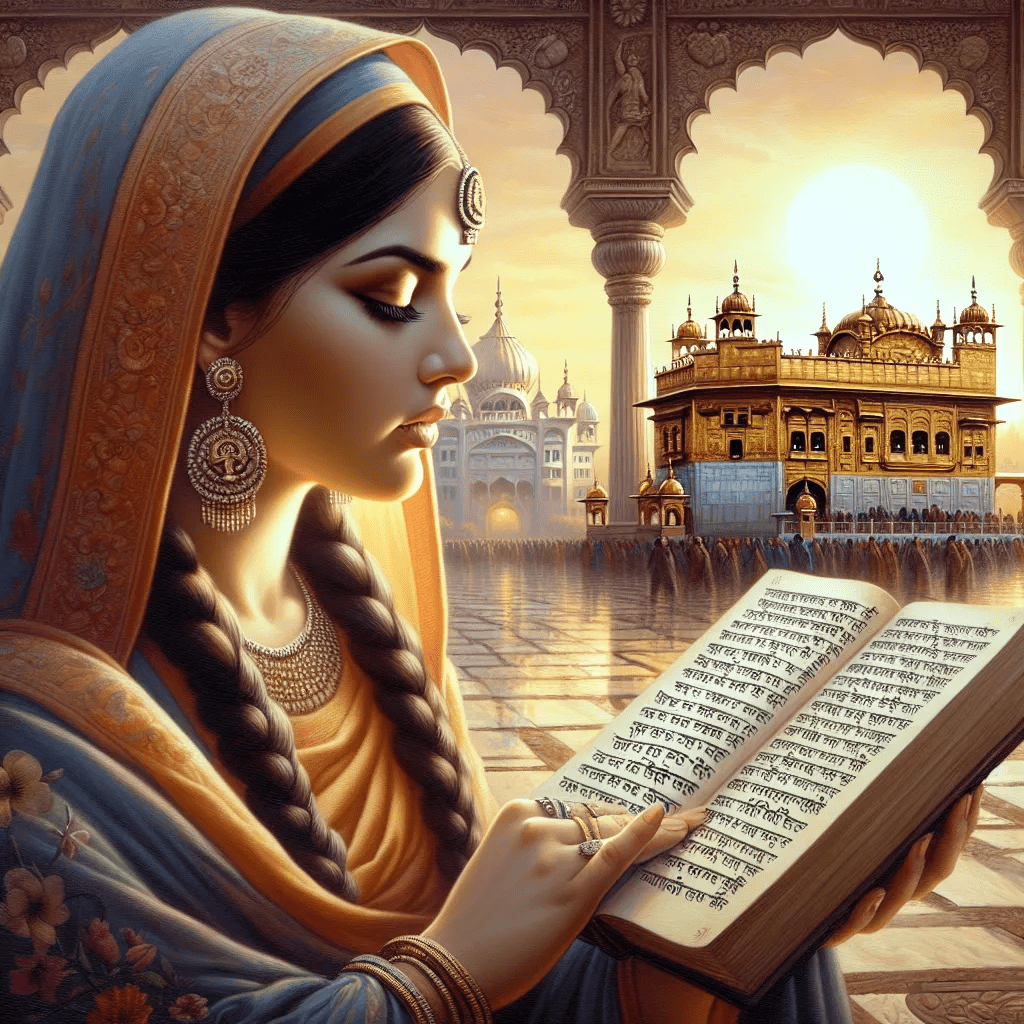
Lady Guru and Female Guru Concepts
There is no concept of a separate “female guru” because Sikhism rejects gendered wisdom. Guru is light, and light has no gender.
A woman living truthfully, teaching justice, and guiding others reflects the guru principle itself.
इस अर्थ में, हर जागरूक स्त्री गुरु-समान है।
SACRED WORDS
Guru Nanak Sayings and Punjabi Religious Quotes on Women
Guru Nanak’s language remains powerful because it is simple, direct, and fearless.
Core Teachings in Verse
His verses repeatedly affirm:
- Women as life-givers
- Women as moral equals
- Women as spiritual beings
These Punjabi religious quotes are still recited because they question power, not just belief.
Why These Sayings Endure
They survive because they address:
- Social hypocrisy
- Religious misuse
- Gender-based fear
Guru Nanak did not flatter society. He confronted it.
MORAL EQUALITY
Sikh Women in the Khalsa Tradition
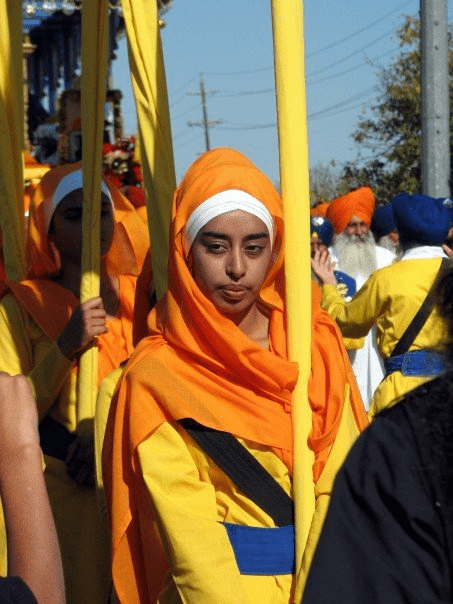
The Khalsa order strengthened women’s public and ethical presence.
Rights and Responsibilities
Khalsa women:
- Carry the same moral duties as men
- Are bound by the same ethical discipline
- Represent courage and restraint
Guru Gobind Singh made it clear that harming women dishonors the Khalsa itself.
Respect in Conflict
Even during war, women were to be protected, never claimed, never shamed. This rule stood apart from prevailing customs of the era.
MODERN IMPACT
Sikh Women in the Modern World
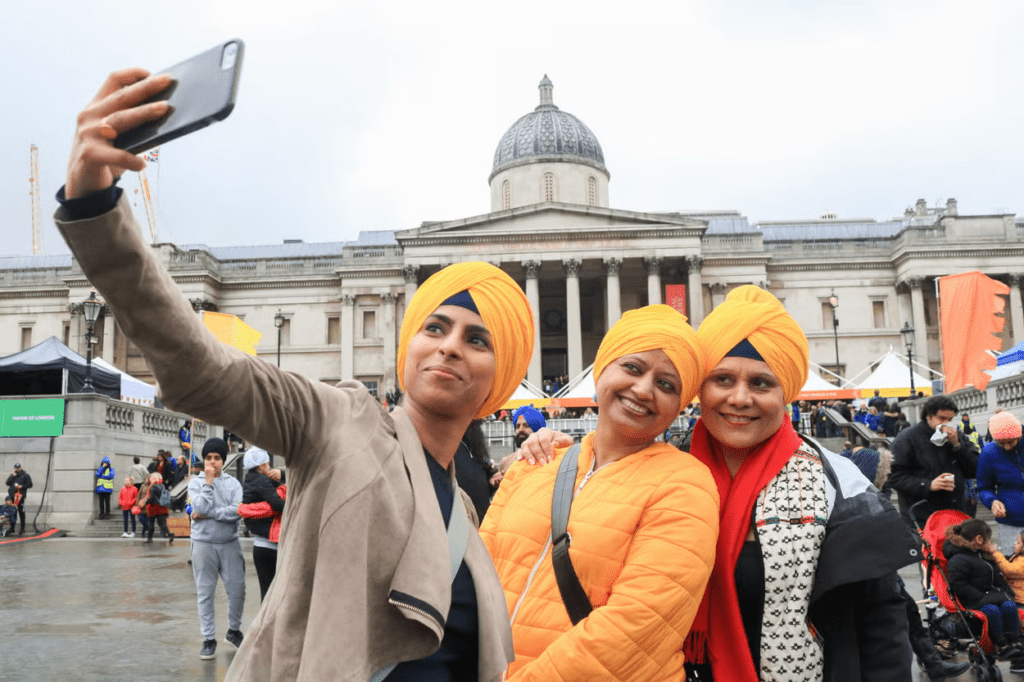
Today, Sikh women carry Guru Nanak’s legacy into education, service, and leadership.
Contemporary Roles
Across India, the UK, Canada, and beyond, Sikh women are:
- Granthis
- Scholars of Sikh philosophy
- Community organizers
- Voices against social injustice
They balance tradition with change, without abandoning either.
Identity and the Turban
The growing visibility of turbaned Sikh women reflects confidence, not rebellion.
It signals ownership of faith, not imitation of men.
यह पहचान गुरु नानक की समानता की सोच को सजीव बनाती है।
CORE PRINCIPLES
Major Teachings of Guru Nanak Related to Women
Guru Nanak’s philosophy can be summarized through clear principles that continue to guide Sikh life.
Core Principles
- Spiritual equality over social rank
- Justice over ritual
- Truth over tradition
- Compassion over control
These teachings form the backbone of Sikh gender ethics.
Guru Nanak’s Teachings and Their Impact on Women
| Teaching Area | Guru Nanak’s Position | Impact on Sikh Women |
| Spiritual status | Absolute equality | Women lead worship |
| Social customs | Rejection of oppression | End of ritual exclusion |
| Education | Open to all | Women scholars emerge |
| Marriage | Partnership model | Mutual respect |
| Identity | Gender-neutral spirituality | Equal religious authority |
WORK REMAINS
Ongoing Challenges and Responsibility
While Sikhism provides equality in principle, social habits sometimes lag behind.
What Still Needs Work
- Patriarchal family expectations
- Underrepresentation in leadership roles
- Cultural resistance disguised as tradition
Addressing these gaps requires returning to Guru Nanak, not moving away from him.
Ajit Singh Khalsa’s Reflection
क्या हम गुरु नानक को केवल पढ़ते हैं या जीते भी हैं?
Equality is not a slogan. It is daily conduct. When Sikh women are fully heard, Sikh values are fully alive.
Guru Nanak did not give women permission. He acknowledged their truth.