Top 10 Brave Soldiers of Indian Army
India’s military history is shaped not only by wars and borders, but by individuals whose decisions under fire changed outcomes forever. The top 10 brave soldiers of Indian Army remembered here are not symbols created later. They were ordinary men placed in extraordinary moments, where retreat was possible but duty was chosen instead.
These stories are retold because they still explain what service means. Far from home, often outnumbered, and frequently wounded, these soldiers acted with clarity when survival instincts would have suggested otherwise. Their courage continues to define the moral core of the Indian Army.
Before moving into individual stories, one question deserves attention. What separates training from bravery when everything begins to fall apart?
Courage That Goes Beyond Rank
Bravery in combat is not limited by rank or age. Some of the most decisive actions were taken by young officers and jawans who had little time to reflect. Their responses were instinctive, rooted in responsibility toward comrades.
The top 10 brave soldiers of Indian Army share common traits.
- Refusal to abandon injured comrades
- Willingness to advance under direct fire
- Leadership shown without waiting for orders
These actions were not planned for recognition. They were chosen because delay meant loss.
Captain Vikram Batra and the Meaning of Resolve
Captain Vikram Batra’s story remains deeply etched in national memory. During the Kargil conflict, his leadership under extreme conditions set a benchmark for courage at high altitude. Despite being injured, he continued close-combat operations, pushing enemy forces back from critical peaks.
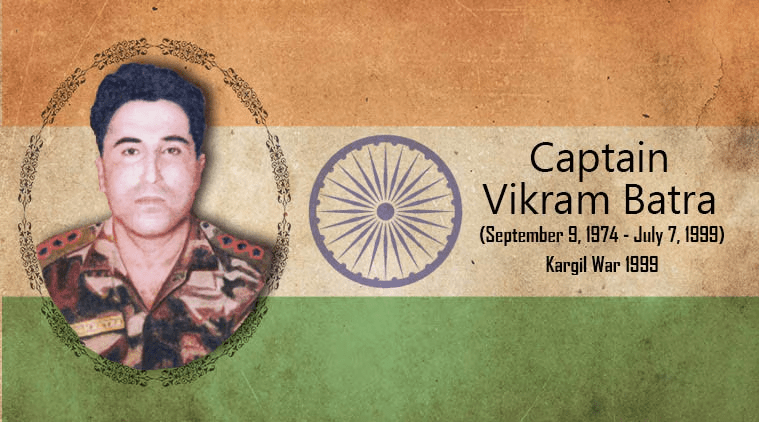
What stands out is not only battlefield success but personal conviction. Before a crucial mission, he spoke calmly about either returning with the tricolour or wrapped in it. That clarity reflected acceptance of consequence, not recklessness.
Leadership Under Fire
His final actions reveal a pattern seen across many famous Indian soldiers images with names later circulated in remembrance. When a fellow officer was wounded, Captain Batra chose rescue over safety, stepping directly into enemy fire.
His sacrifice was not accidental. It was deliberate.
Major General Ian Cardozo and Willpower Redefined
Bravery is often associated with aggression. Ian Cardozo’s story expands that definition. During the 1971 war, he lost a leg to a landmine. What followed was not withdrawal, but defiance.
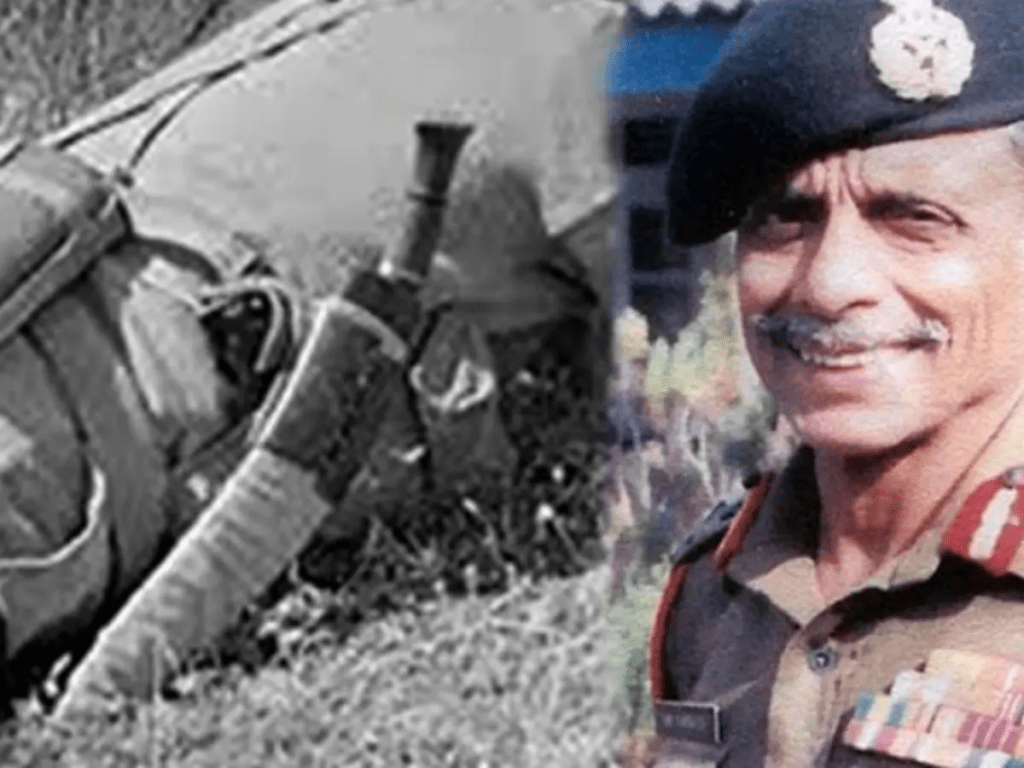
Unable to wait for evacuation, he amputated his own leg using a khukri. This act was not theatrical. It was functional. He returned to duty and later commanded formations, redefining what physical limitation meant inside the Army.
Courage After Injury
Many soldiers leave service due to injury. Cardozo’s path shows another option.
- Acceptance without self-pity
- Discipline over despair
- Leadership beyond physical form
His career challenges the idea that bravery ends when the body fails.
Brigadier Mohammad Usman and Loyalty Without Conditions
During the conflict following Partition, Brigadier Mohammad Usman faced a choice few can imagine. Offered senior command in a newly formed opposing army, he chose loyalty to India instead.
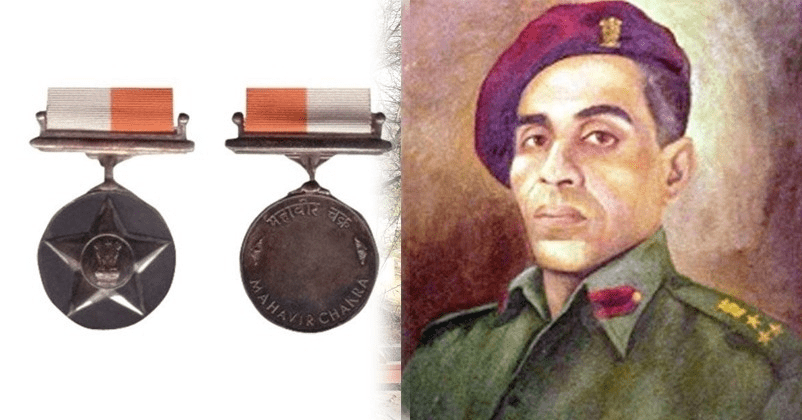
On the battlefield, his leadership repelled repeated assaults in Jammu and Kashmir. His soldiers called him the Lion of Naushera, not for aggression alone, but for steadiness under pressure.
Service Beyond the Battlefield
His compassion away from combat is often overlooked. He donated much of his income to educate poor children and lived without personal attachments. When he fell defending territory, his final words reflected priority. Land mattered because people depended on it.
Youngest Courage and the Cost of Action
Subedar Yogendra Singh Yadav’s story disrupts assumptions about age. At nineteen, during the Kargil war, he volunteered for an assault that many would have declined. Climbing a near-vertical icy cliff under direct fire, he continued even after sustaining multiple gunshot wounds.
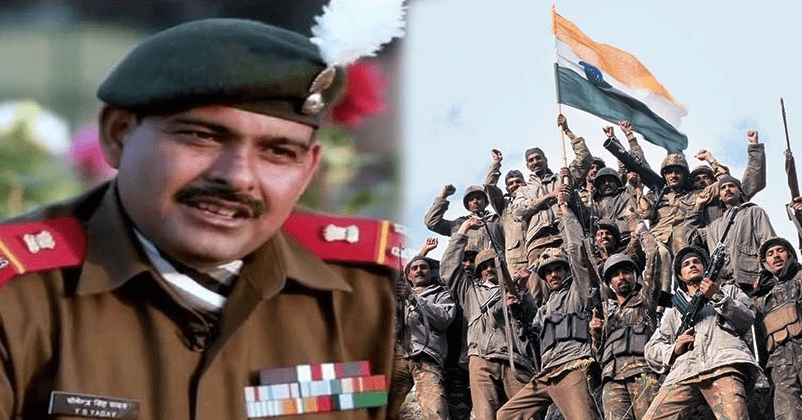
He reached enemy bunkers, neutralised them, and enabled his unit to advance. Survival followed, but that was not guaranteed.
Does bravery come from fearlessness, or from action despite fear?
Rifleman Jaswant Singh Rawat and the Power of Deception
During the 1962 conflict, Rifleman Jaswant Singh Rawat faced overwhelming odds. Ordered to retreat, he chose to stay back. Assisted by two local women, he created the illusion of a large defensive force using repositioned weapons.
For days, enemy troops believed they faced a battalion. When discovery became inevitable, he chose death over capture. Even in death, his presence remains symbolically acknowledged by the Army.
Patterns That Define Military Bravery
Across these stories, certain patterns repeat consistently.
- Bravery emerges during isolation
- Decisions are made without assurance of survival
- Loyalty to comrades outweighs self-preservation
These patterns explain why famous Indian soldiers images with names continue to circulate. They are not decorations. They are reminders.
The top 10 brave soldiers of Indian Army are remembered not because they were flawless, but because they acted when failure was final.
Major Somnath Sharma and the First Standard of Sacrifice
Major Somnath Sharma’s actions in 1947 set the earliest standard for gallantry in independent India. Wounded and with his arm in plaster, he insisted on joining his company during the defence of Srinagar. When his unit was surrounded and heavily outnumbered, withdrawal would have been logical.
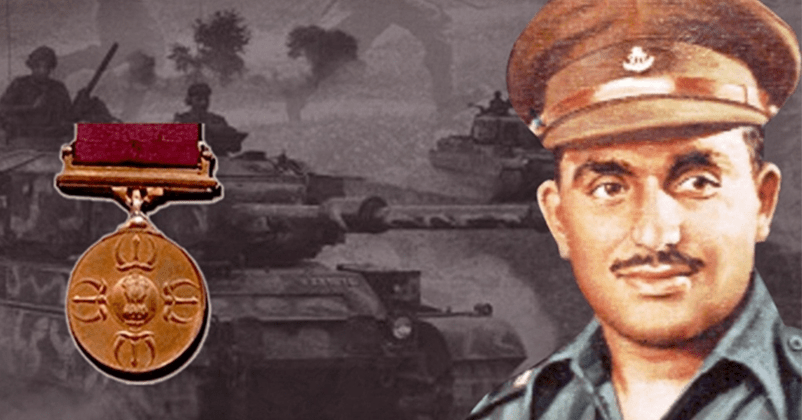
He chose resistance.
Moving between posts under constant fire, he encouraged his men and personally ensured ammunition supply despite injury. Even as casualties mounted, he refused to concede ground, knowing that losing the position would expose the airfield and the city beyond.
Leadership Until the Final Moment
His last radio message made his intent clear. He would not withdraw. He would fight to the last man and the last round. That resolve, expressed calmly, defined the tone for generations of soldiers who followed.
Naik Jadu Nath Singh and Holding the Line Alone
Naik Jadu Nath Singh faced repeated assaults during the conflict in Jammu and Kashmir. With a small group of men, he defended a forward post against successive enemy waves. Each time his position was attacked, he reorganised what remained of his force and continued.
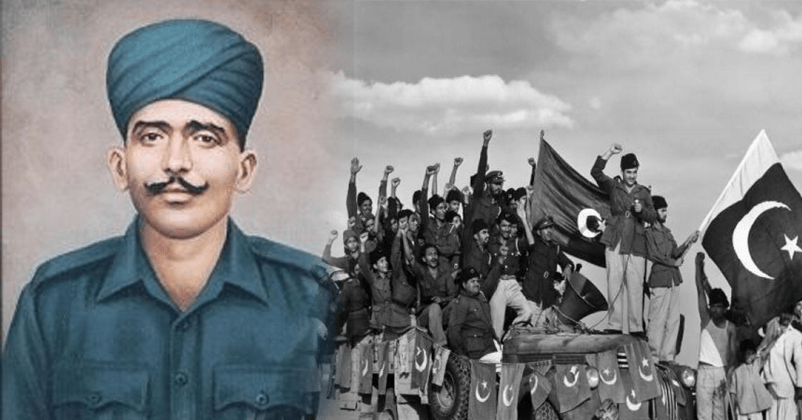
When his comrades were killed or wounded, he operated weapons himself. Eventually, wounded and alone, he charged the enemy, surprising them into retreat before being fatally shot.
Courage Without Reinforcement
His story illustrates a stark reality of combat.
- No backup
- No relief
- No exit
Holding ground became an act of will rather than strength.
Subedar Karam Singh and Defiance Against Odds
Subedar Karam Singh’s bravery during the defence of Richhmar Gali showed how morale can reverse outcomes. Severely injured and cut off from communication, he chose not to abandon his post. When enemy troops closed in, he led from the front, engaging them directly.
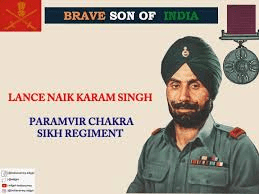
His actions demoralised a numerically superior force and forced them to retreat. Unlike many others, he survived the war and became one of the few to receive India’s highest gallantry honour during his lifetime.
Major Ramaswamy Parameswaran and Command Under Fire
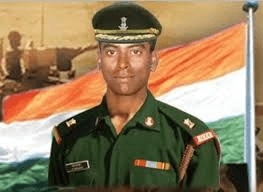
During operations in Sri Lanka, Major Ramaswamy Parameswaran demonstrated calm leadership during an ambush. Instead of reacting defensively, he manoeuvred his troops to encircle attackers. Even after being shot at close range, he continued issuing orders and inspiring resistance.
His final actions ensured the success of the engagement and the safety of his men. Command, in that moment, meant clarity rather than control.
What These Stories Reveal Together
When read together, the top 10 brave soldiers of Indian Army reveal a deeper truth. Bravery is not a single act. It is a pattern of decisions made under pressure, often with incomplete information and no assurance of survival.
These men did not share backgrounds, regions, or even eras. What they shared was response.
- They acted without hesitation
- They placed others before themselves
- They accepted consequence without complaint
This is why famous Indian soldiers images with names remain powerful. They represent values, not just faces.
Overview of Gallantry and Service
| Soldier Name | Conflict / Operation | Key Act of Bravery | Gallantry Award |
| Vikram Batra | Kargil War | Rescue under fire at high altitude | Param Vir Chakra |
| Ian Cardozo | 1971 War | Continued command after amputation | Maha Vir Chakra |
| Mohammad Usman | 1947–48 War | Defence of Naushera and Jhangar | Maha Vir Chakra |
| Yogendra Singh Yadav | Kargil War | Assault on Tiger Hill despite injuries | Param Vir Chakra |
| Jaswant Singh Rawat | 1962 War | Solo defence using deception | Maha Vir Chakra |
| Somnath Sharma | 1947 Kashmir Ops | Refused withdrawal while outnumbered | Param Vir Chakra |
| Jadu Nath Singh | 1947–48 War | Lone defence against repeated attacks | Param Vir Chakra |
| Karam Singh | 1948 Kashmir Ops | Repelled brigade attack while wounded | Param Vir Chakra |
| Ramaswamy Parameswaran | Sri Lanka Ops | Led counter-ambush after being shot | Param Vir Chakra |
Why Their Legacy Still Matters
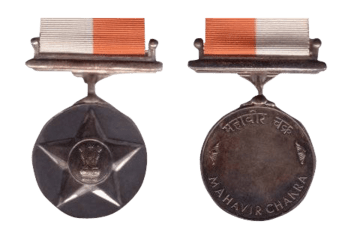
These stories are not about glorifying conflict. They are about responsibility under extreme conditions. The top 10 brave soldiers of Indian Army are remembered because they answered moments that demanded more than survival.
For readers, especially younger generations, these accounts challenge easy narratives of heroism. They show that courage is not absence of fear, but discipline in its presence.
The Indian Army continues to train soldiers. Bravery, however, remains personal.
And that is why these names endure.