
The Sikh Holy Book and Guru Nanak’s Path to Oneness
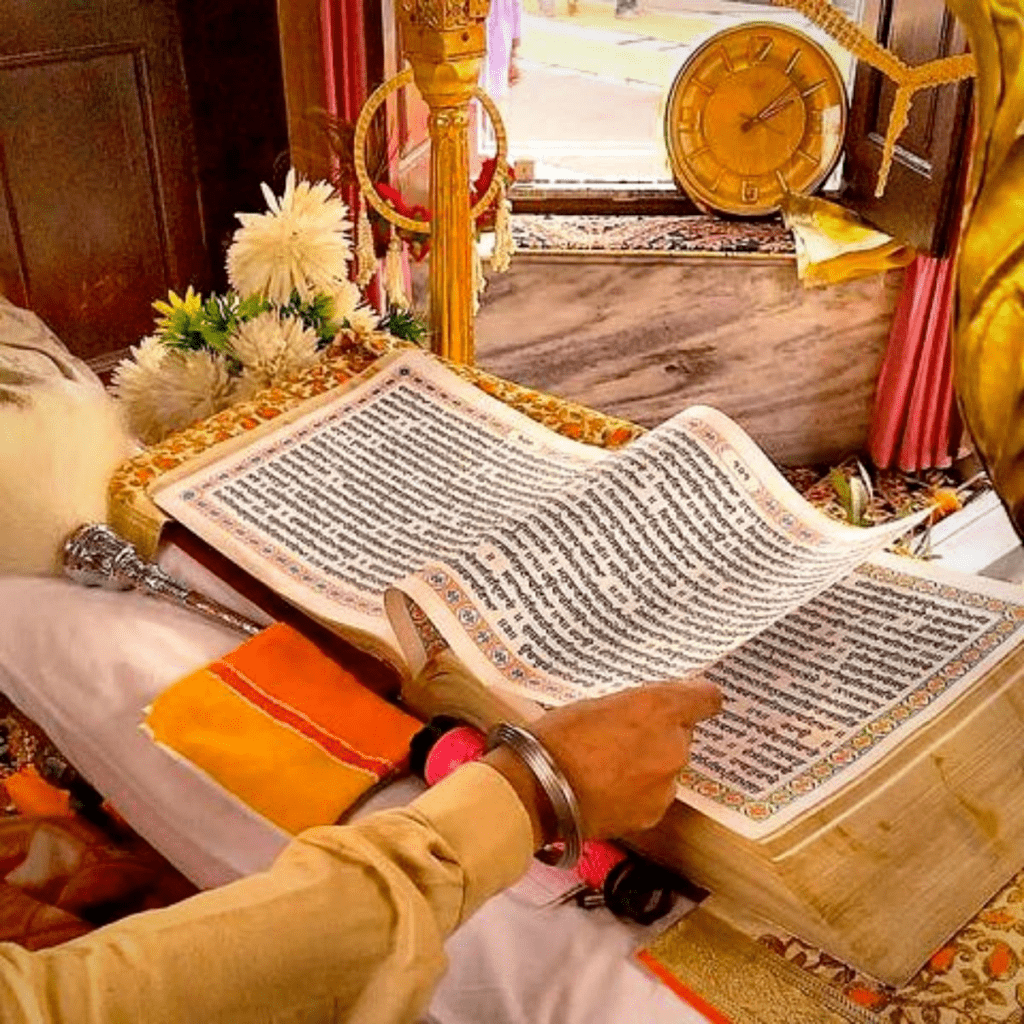
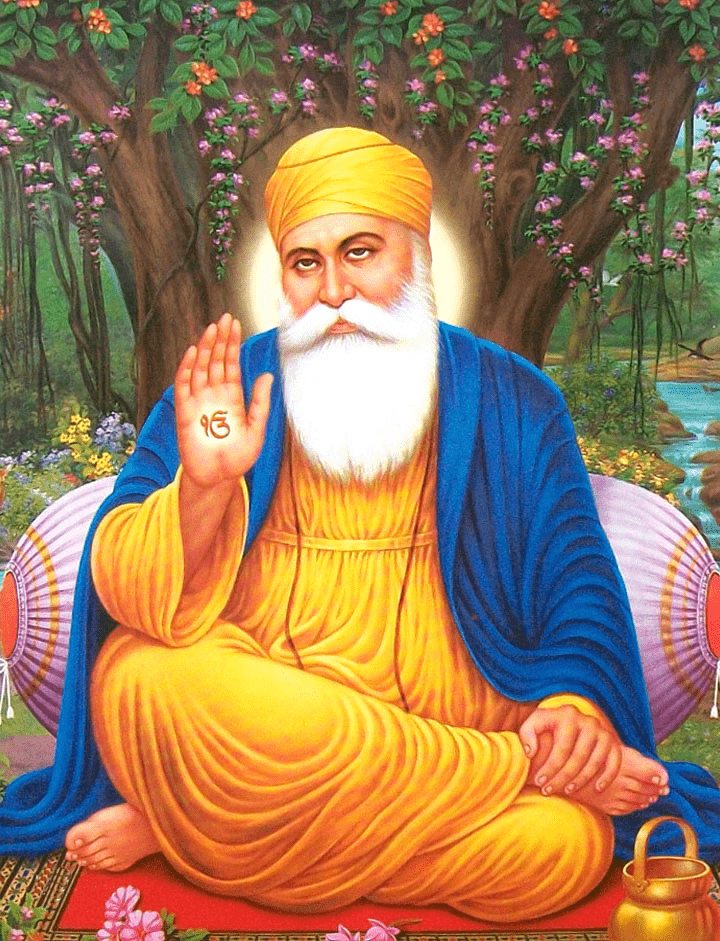
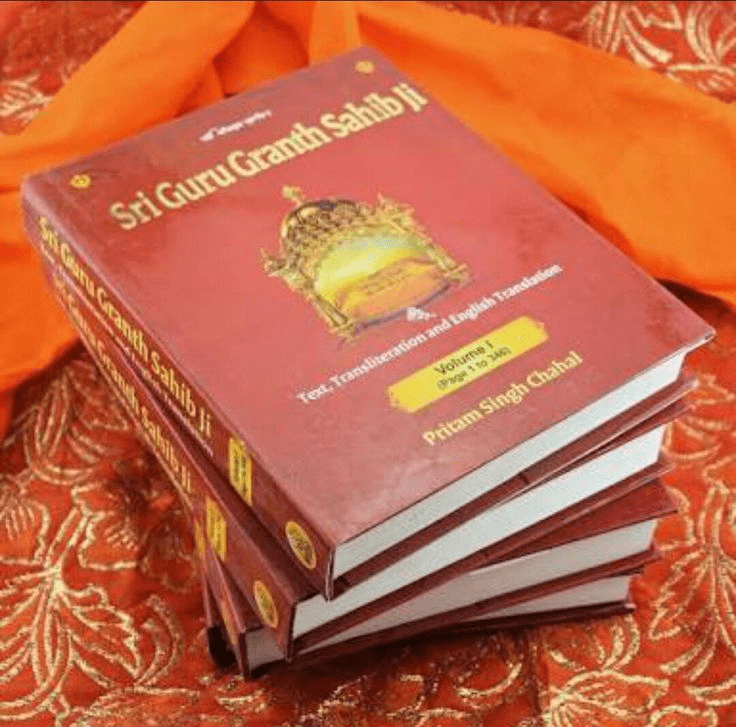
The sacred book of Sikhism, Sri Guru Granth Sahib, is not just a scripture — it is a living guide rooted in the radical teachings of Guru Nanak. His words echoed with clarity: all humans are equal, caste is man-made, and the Divine sees no religion. For Sikhs, this book is the eternal Guru, and its verses carry Guru Nanak’s voice across centuries. From his childhood resistance to ritual, to his vision of one universal humanity, each teaching challenges division and uplifts the soul.
DIVINE ONENESS
The Sacred Book of Sikhism: A Spiritual Declaration of Equality
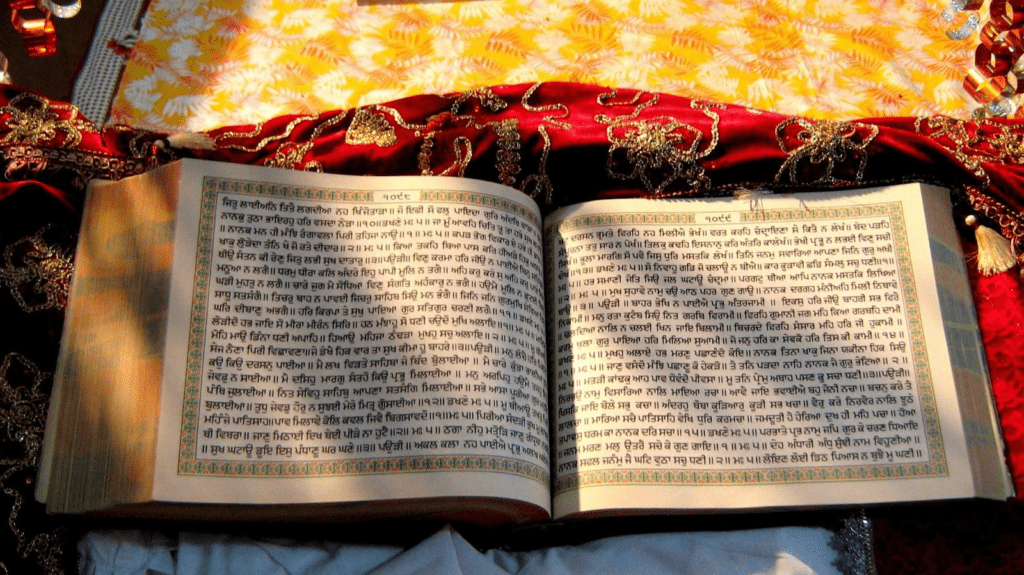
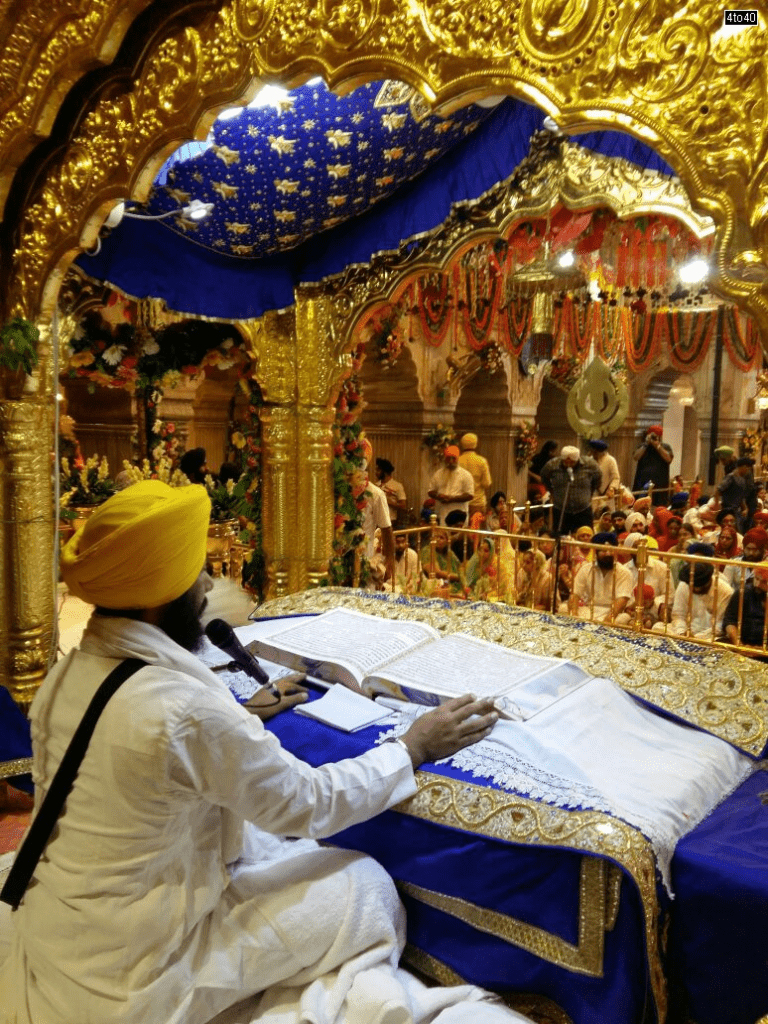
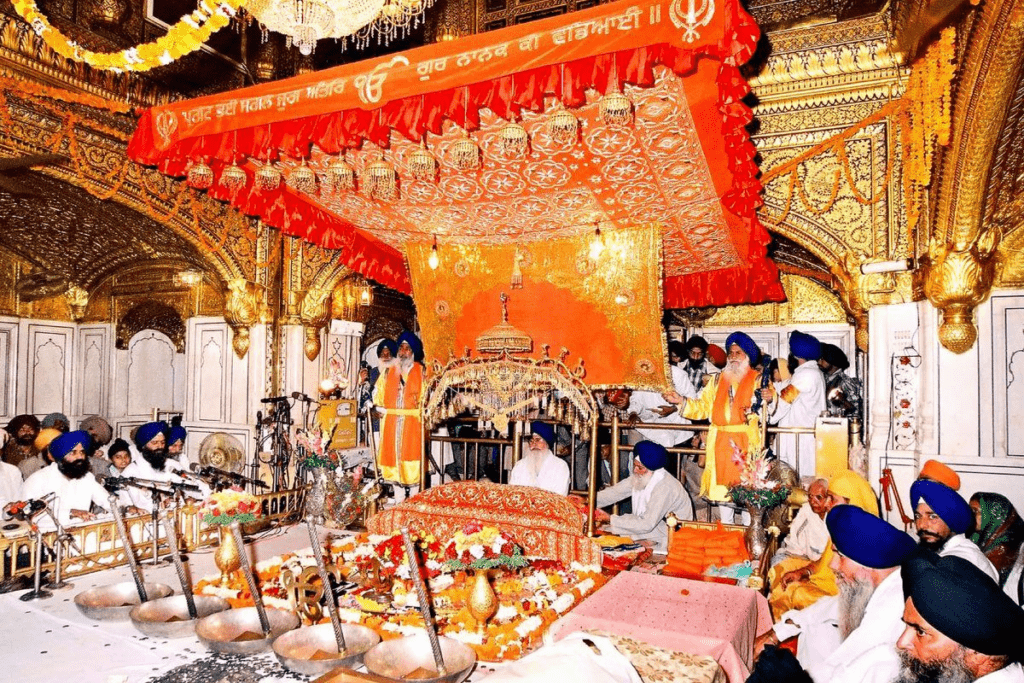
At the core of Sikhism lies Sri Guru Granth Sahib — the Sikh holy book revered not as literature but as Guru itself.
What Makes It Sacred?
This book is not just a collection of prayers. It contains the thoughts, revelations, and spiritual poetry of Sikh Gurus, especially Guru Nanak, alongside selected writings from saints of other traditions.
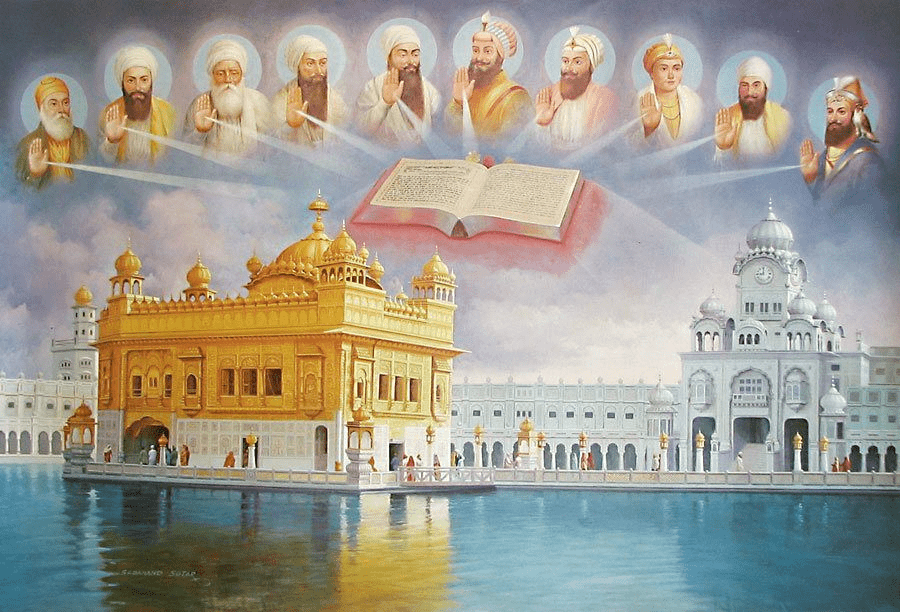
Universal Messages
Guru Nanak’s most quoted teaching encapsulates the book’s core:
- “Accept all humans as your equals, and let them be your only sect.”
- “There is no Hindu, there is no Muslim.”
- “Speak the truth, live with compassion, and serve others.”
These lines aren’t slogans — they are lifelong practices, repeated daily in Sikh homes and gurdwaras.
Why It Still Matters
In a time when religious differences divide, the sacred book of Sikhism promotes:
- Unity over labels
- Compassion over caste
- Divinity over dogma
EQUALITY OVER CASTE
Guru Nanak’s Thought: Rejecting the Caste System
Guru Nanak was born into a society strictly divided by caste — yet from childhood, he refused to accept it.
The Upanayanam Ceremony Incident
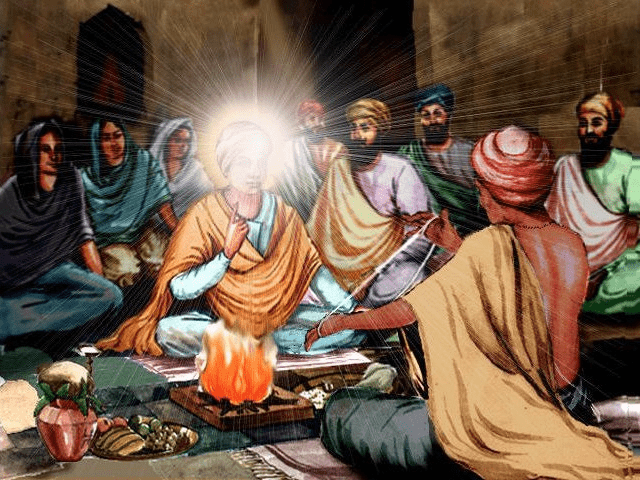
At age nine, he was to receive the janeu, the sacred thread marking his caste. But Nanak asked:
- What will this thread give me?
- Will it make me pure?
- Will it define my worth?
The priest claimed the thread marked him as “higher,” allowing education, marriage, and status. But Nanak refused.
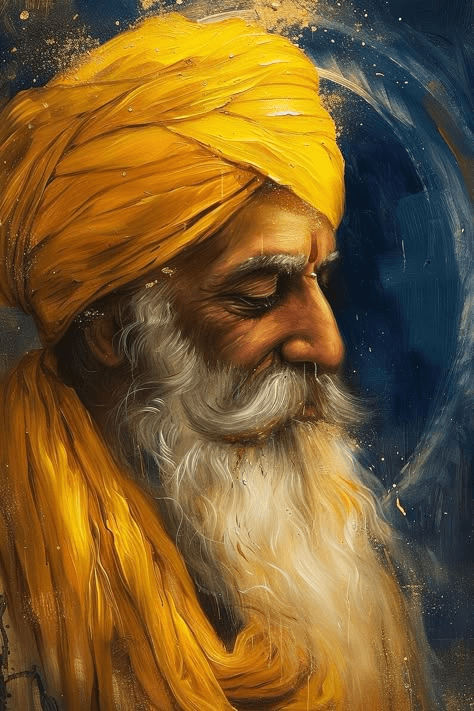
Nanak’s Response
He proclaimed that honor, humility, truth, and good deeds were the true sacred thread. Without them, even the highest caste meant nothing.
This rejection was not a rebellious act — it was a spiritual revolution.
Ajit Singh Khalsa’s Note
“ਜਦ ਬਾਬਾ ਨਾਨਕ ਨੇ ਜਨੇਊ ਤੋਂ ਇਨਕਾਰ ਕੀਤਾ, ਉਸਨੇ ਕੇਵਲ ਧਾਗਾ ਨਹੀਂ ਤੋੜਿਆ — ਉਸਨੇ ਭੇਦਭਾਵ ਦੀ ਲਕੀਰ ਹੀ ਮਿਟਾ ਦਿੱਤੀ।”
When Nanak refused the thread, he didn’t just reject a ritual — he erased the line of inequality.
UNITY OF ALL
Guru Nanak’s Experience: All Are One
A defining moment came when Guru Nanak disappeared in a river for three days. On his return, he uttered what became a core Sikh principle.
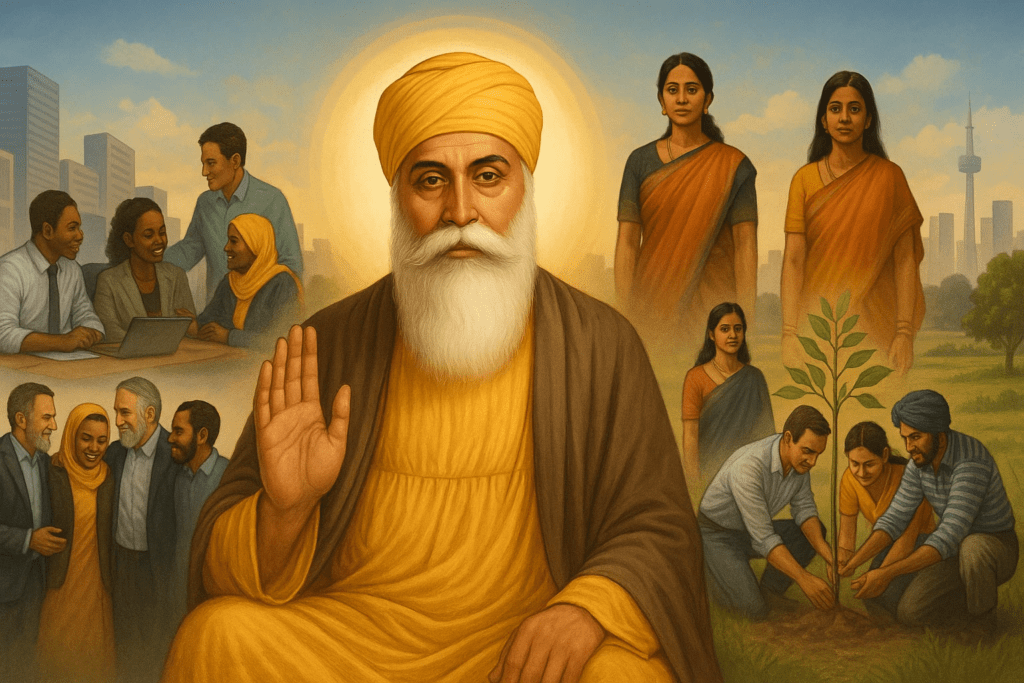
“
There is No Hindu, There is No Muslim
— Guru Nanak Dev Ji
This statement wasn’t meant to erase identities. It was a divine realization that beyond labels, all souls are One.
The Beginning of a Mission
For Guru Nanak:
- Labels are temporary
- Divisions are human-made
- God is above all categories
From that moment on, Guru Nanak’s mission was clear: awaken people to their shared divinity.
Spiritual Implications
His teachings shattered:
- Religious superiority
- Ritual-based discrimination
- Institutionalized caste hierarchies
He urged people to look within, not around, for God.
DAILY PRACTICE
Teachings of Guru Nanak Quotes That Define Sikhism
Guru Nanak’s sayings are not ancient words lost in time — they are still sung, lived, and meditated upon daily.
Core Quotes from Guru Granth Sahib
- “Why call her bad, from whom kings are born?”
- “The world is a drama, staged in a dream.”
- “Naam Japo, Kirat Karo, Vand Chakko”
(Meditate on God’s name, earn by honest work, share with others)
These teachings form the ethical foundation of Sikh daily life.
Why They Resonate
These quotes:
- Remove fear
- Build discipline
- Encourage seva (selfless service)
BEYOND RELIGION
All Religions Are Equal: No Caste, No Religion Quotes
Guru Nanak believed in unity through diversity — all religions are paths to the same Divine.
Inclusivity in Practice
He traveled across India, Persia, and beyond, dialoguing with Hindus, Muslims, Buddhists, and Jains.
He never asked: What is your religion?
He asked: Are you truthful? Do you serve others?
Quotes Emphasizing Equality
- “There is no Hindu, there is no Muslim”
- “God is neither Hindu nor Muslim, and the path I follow is God’s.”
- “All beings are sacred; none is high or low.”
Lasting Legacy
These words gave rise to a religion where:
- Anyone can lead prayer
- All eat together in langar
- No place is “lower” or “impure”
Sikh Holy Book on Equality
| Theme | Guru Nanak’s Teaching | Present Impact |
| Caste System | Rejected as man-made illusion | Sikhs promote caste-free community |
| Religious Identity | Labels don’t define the soul | All faiths welcomed in gurdwaras |
| Rituals and Superstition | True spirituality comes from action, not symbols | Emphasis on internal discipline |
| Women’s Role | Women are creators and equals | Women lead kirtan and community service |
| Daily Practice | Naam Japo, Kirat Karo, Vand Chakko | Meditation, honest work, sharing |
ETHICAL CALL
The Sikh Book’s Call to Conscience
The Sikh holy book doesn’t ask for blind faith — it demands awareness, action, and humility.
It tells every reader:
- Serve without pride
- Speak without lies
- Live without fear
Do we live by the teachings of Guru Nanak, or do we merely repeat them?

GUIDANCE FOR LIFE
Guru Nanak Quotes from Guru Granth Sahib: Daily Wisdom for All
The words of Baba Nanak are not trapped in history — they guide Sikhs daily in decisions, actions, and identity.
Living Wisdom, Not Just Reading
Unlike other texts recited only during ritual, the Guru Granth Sahib is engaged with personally.
Each quote is:
- Sung in shabad kirtan
- Reflected upon during meditation
- Used as moral compass during life’s trials
Baba Nanak Quotes That Resonate Today
- “Truth is high, but higher still is truthful living.”
- “Even kings and emperors with heaps of wealth and vast dominion cannot compare with an ant filled with the love of God.”
- “He who has no faith in himself can never have faith in God.”
These are not abstract. They are tools for daily self-discipline.
Ajit Singh Khalsa’s Insight
“ਜੇ ਗੁਰੂ ਦੇ ਬਚਨ ਸਿਰਫ਼ ਪੜ੍ਹੇ ਜਾਂਦੇ ਹਨ ਪਰ ਜੀਏ ਨਹੀਂ ਜਾਂਦੇ, ਤਾਂ ਅਸੀਂ ਆਪਣੇ ਗੁਰਾਂ ਨੂੰ ਸਿਰਫ਼ ਇਤਿਹਾਸ ਬਣਾਕੇ ਛੱਡ ਰਹੇ ਹਾਂ।”
If we read but do not live Guru’s words, we’re turning them into history — not guidance.
ESSENCE OVER FORM
Why the Sikh Book Rejects Superstition and Ritual
Guru Nanak’s teachings mark a clear shift from form to essence.
Against Blind Ritual
He condemned:
- Wearing sacred threads as social symbols
- Pilgrimages done for status
- Worship that excludes action
He asked: क्या भगवान को तुम्हारे पहनावे और जाति की ज़रूरत है?
Internal Devotion
Instead of outer show, Guru Nanak emphasized:
- Simran (remembrance of God)
- Seva (service to others)
- Sat (truthfulness)
This is why Sikhism has no fasting, idol worship, or exclusive rituals. The sacred book keeps this principle alive.
MORAL PRACTICE
How the Sikh Holy Book Guides Ethical Living
Unlike many religious texts focused on afterlife promises, Sri Guru Granth Sahib is a manual for how to live now.
Key Moral Teachings
- Naam Japo — Remembrance brings clarity
- Kirat Karo — Honest work preserves dignity
- Vand Chakko — Sharing creates balance
These teachings are not optional. They’re central to Sikh practice.
Applied Ethics
This is how the teachings of Guru Nanak apply today:
- In family: equality and kindness
- In work: integrity and effort
- In society: justice and service
ONE DIVINE
Sikhism Quotes on Oneness and Unity
Guru Nanak’s entire philosophy can be summed up in his belief that God is One — and all are part of that One.
Famous Quotes on Unity
- “One God dwells in all.”
- “As fragrance abides in the flower, God resides in all beings.”
- “Recognize the Divine Light within all, and do not consider social class or status.”
Sikh Identity Through Equality
Turban, kara, and other articles are not just markers — they are ethical commitments:
- To protect all
- To stand against injustice
- To uphold equality
Compassion in Action
No Caste, No Religion: The Universal Dharma of Sikhism
Sikhism is not a tribal religion. It is a dharam — a moral way of living for all.
Inclusive Spirituality
Anyone can:
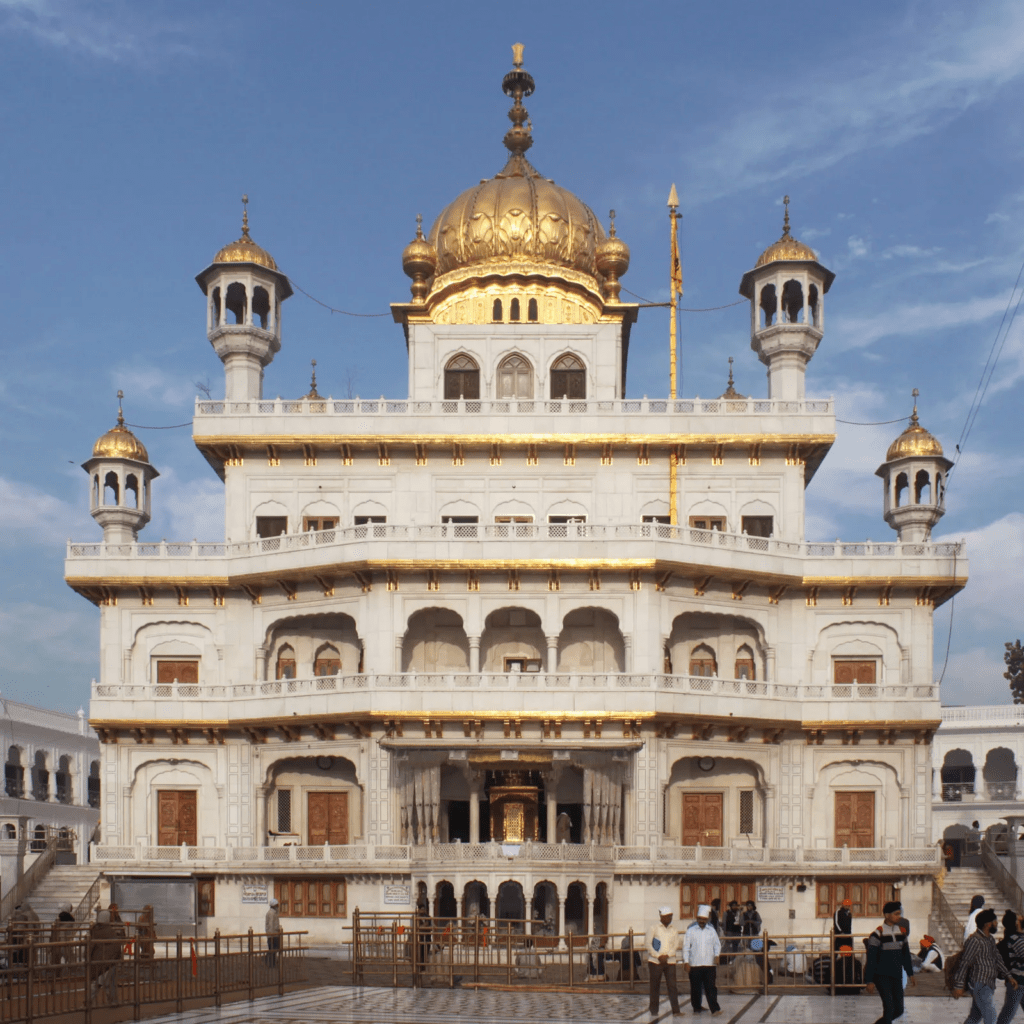
- Enter a gurdwara
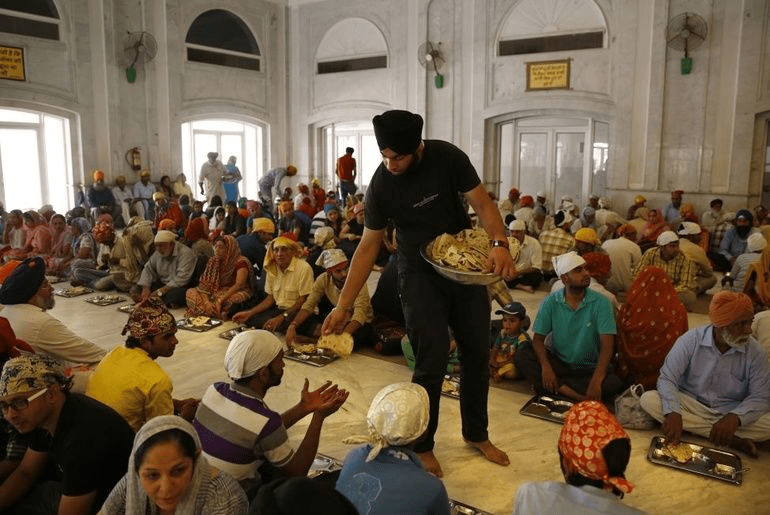
- Eat langar
- Read from Guru Granth Sahib
- Serve in leadership
Sikh Practices That Enforce Equality
- Common eating utensils in langar
- No reserved seating in gurdwaras
- First names used without caste indicators
यह सभी को एकजुट करने का सबसे सीधा और प्रभावशाली तरीका है।
FORGOTTEN PATH
Challenges to Guru Nanak’s Vision Today
Despite the clarity of Guru Nanak’s teachings, caste and social division still creep into practice.
Ongoing Issues
- Caste identity among diaspora Sikhs
- Superstition returning in cultural practices
- Emphasis on ritual over action
These challenges do not stem from Sikhism — they stem from forgetting Guru Nanak’s path.
RETURN TO TRUTH
Reclaiming Guru Nanak’s Vision in Today’s World
To walk truly as a Sikh means to live Guru Nanak’s truth with courage.
Steps Toward Practice
- Learn and reflect daily on guru nanak teachings quotes
- Eliminate caste-based language in family and community
- Use guru nanak quote as guiding light in action, not just in speech
- Prioritize unity over sectarian pride
- Reject ritual that divides, embrace service that unites
LIVED GUIDANCE
Why the Sikh Holy Book Still Matters
The Sri Guru Granth Sahib is not outdated — it is urgently relevant.
In a time of polarization, economic inequality, and identity conflict, it reminds us:
- God sees no religion
- Honor lies in action
- Unity begins with truth
The Sikh book is not read — it is lived. And Guru Nanak’s voice still echoes: “All are One, all are Divine.”