
Lord Guru Nanak and the Sikh Vision of Harmony with the Earth
The teachings of Lord Guru Nanak present a vision where spiritual life, social equality, and respect for nature are inseparable. In Sikh thought, the Earth is not a resource to dominate but a living space shared by all creation. Guru Nanak connected inner discipline with outer responsibility, teaching that peace within a person reflects peace with the planet. This approach places environmental respect, equality, and giving at the heart of Sikh life, not as separate ideas, but as one unified ethic.
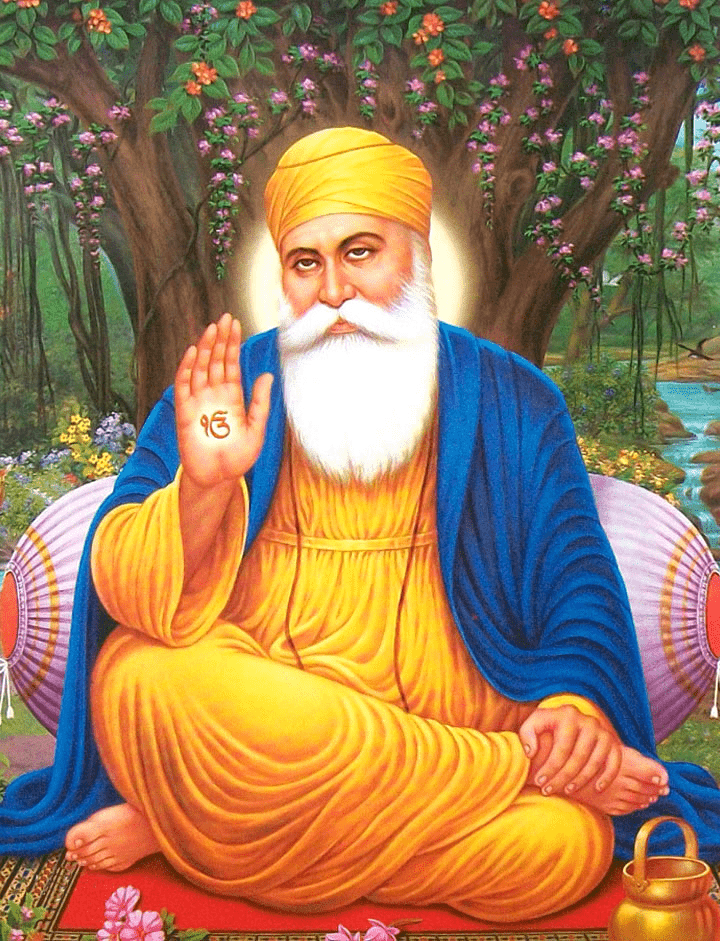
SACRED CREATION
Respecting the Earth as a Core Sikh Principle
Respect for the Earth is not symbolic in Sikhism; it is practical and spiritual at the same time. Lord Guru Nanak described nature as sacred because it carries the presence of the Divine.
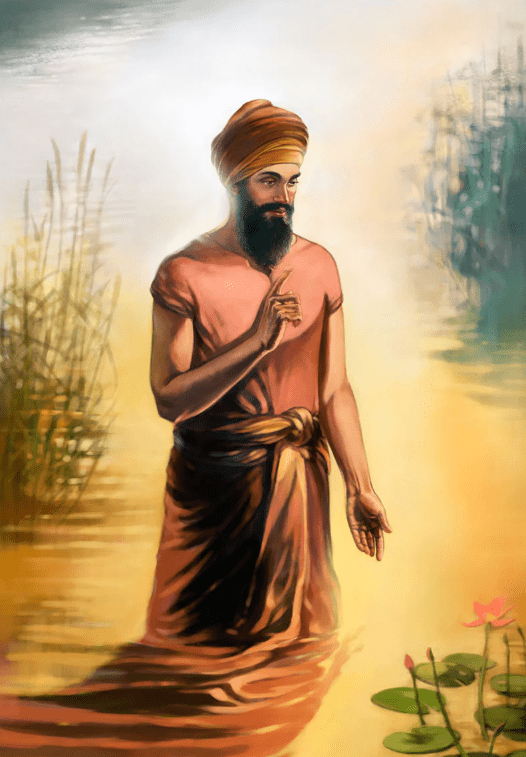
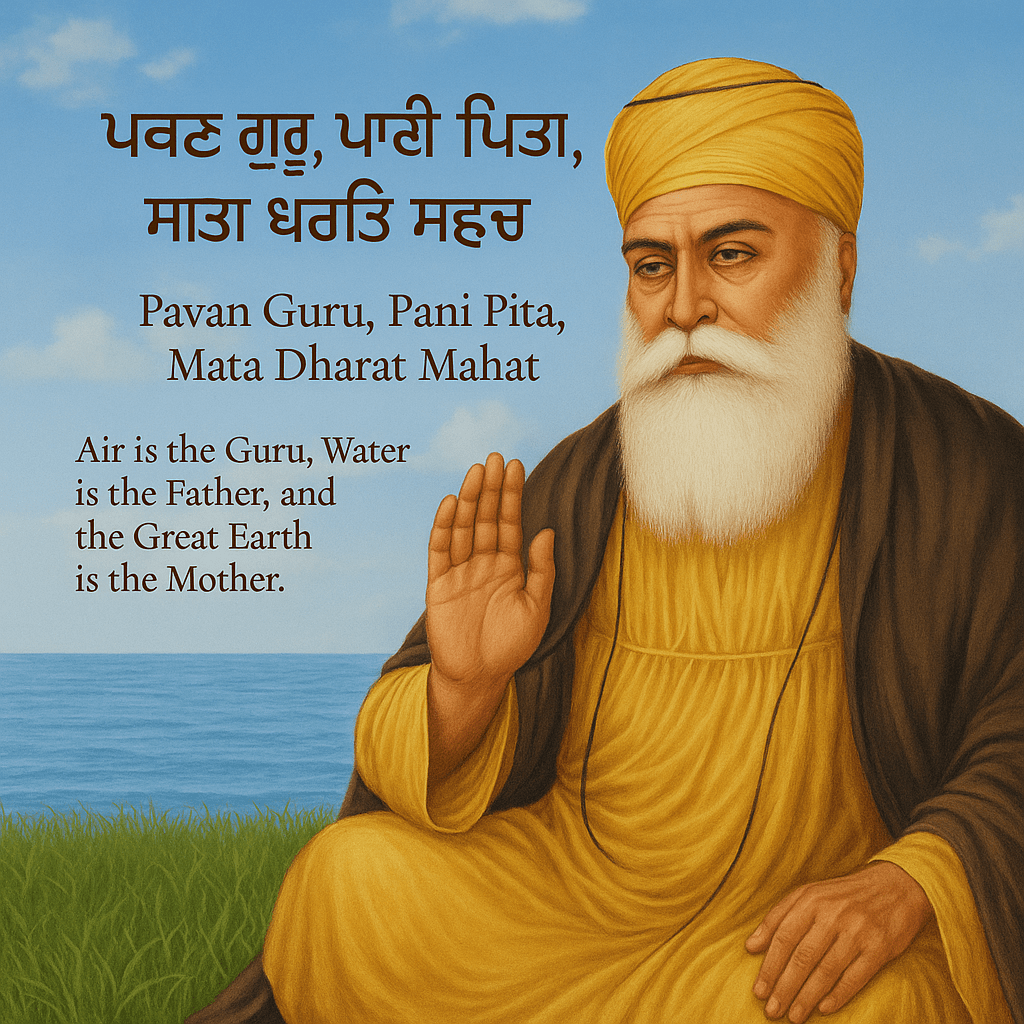
He taught that the universe is not separate from God. Air, water, earth, and sky form the living temple in which all beings exist. When Sikhs care for the Earth, they honor creation itself.
This belief leads to a clear understanding:
- The Earth is a shared home, not private property
- Nature must be treated with humility, not control
- Harm to the planet is harm to humanity
Guru Nanak’s thought links ecological balance directly with spiritual awareness. बिना धरती के सम्मान के आत्मिक शांति संभव नहीं है।
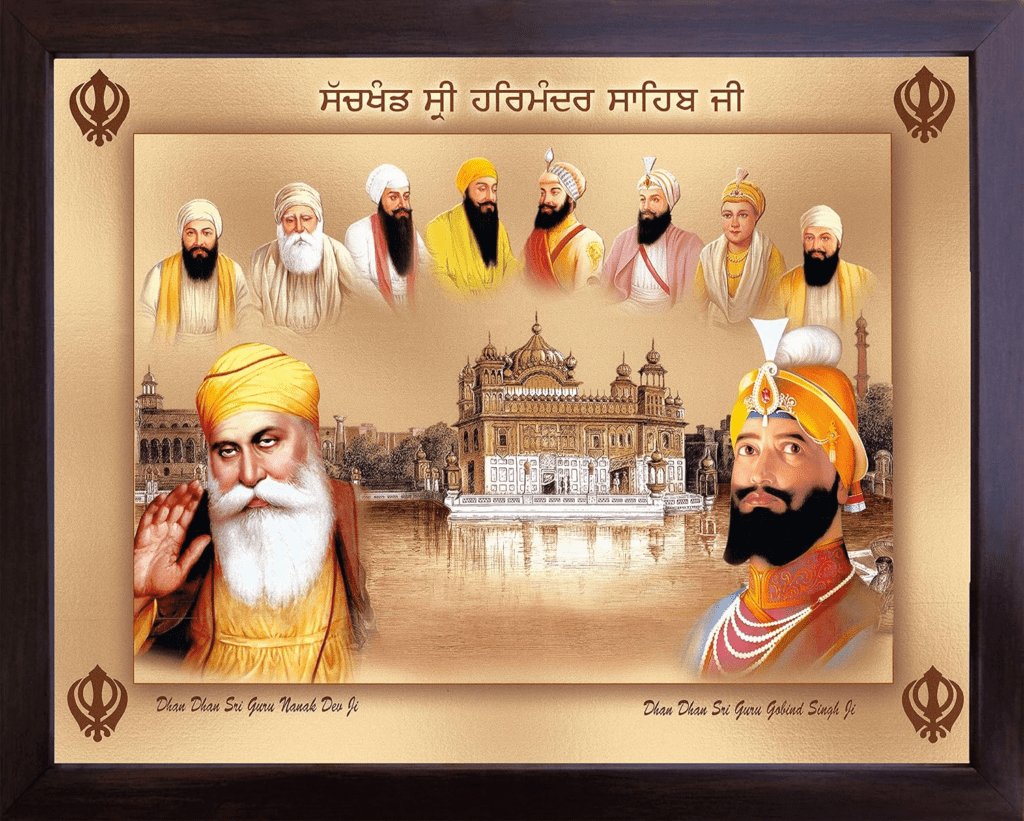
Earth as Mother in Sikh Thought
Guru Nanak referred to the Earth as a nurturing force, comparable to a mother who sustains life. This view removes the idea of exploitation and replaces it with responsibility.
The elements of life are seen as gifts:
- Air sustains breath
- Water sustains life
- Earth sustains growth
Respecting these elements becomes a form of devotion, not a political or economic choice.
Inner State and Outer World
According to Guru Nanak, the condition of the world mirrors the condition of the human heart. Greed creates imbalance. Contentment restores harmony.
This idea challenges individuals to reflect:
- Is consumption driven by need or desire?
- Does progress ignore responsibility?
Lord Guru Nanak’s teachings ask these questions quietly but firmly.
DIVINE CARE
Sikhism and Environmental Responsibility
Sikhism approaches environmental care as a moral obligation, not a trend. Lord Guru Nanak’s teachings encourage living in balance rather than excess.
Oneness of Creation
Sikh philosophy is rooted in oneness. All life forms share the same origin. This belief removes hierarchy between humans and nature.
From this understanding arise three guiding attitudes:
- Respect instead of dominance
- Care instead of extraction
- Gratitude instead of entitlement
When Sikhs serve the Earth, they serve the same Divine present in all beings.
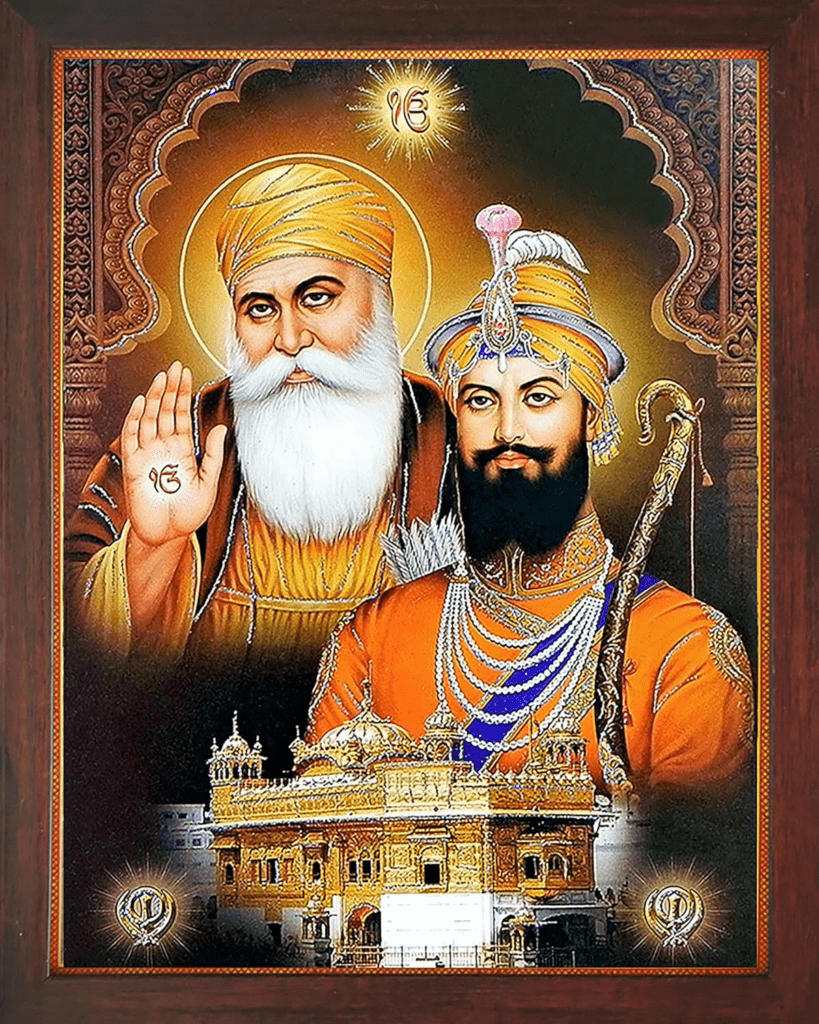
Gurdwaras and Natural Balance
Many gurdwaras include water bodies, gardens, and open spaces. These are not decorative. They symbolize coexistence between human life and nature.
The presence of fish, trees, and flowing water reflects a living message: faith must breathe alongside the natural world.
Ajit Singh Khalsa reflects: जब पूजा प्रकृति से अलग हो जाती है, तब धर्म सूख जाता है। When worship separates from nature, faith loses its life.
SHARED TRUST
Equality, Giving, and the Earth
Equality in Sikhism extends beyond social relations. It includes how resources are shared and protected.

The Sikh Belief of Giving
Giving, or Vand Chakko, teaches that wealth and resources are not owned individually. They are shared trusts.
This principle applies to:
- Food
- Water
- Land
- Labor
Hoarding resources while others suffer contradicts Guru Nanak’s vision.
Environmental Justice
Environmental damage often harms the poorest first. Sikh ethics recognize this link.
Lord Guru Nanak’s teachings oppose:
- Greed-driven destruction
- Unequal access to basic resources
- Exploitation disguised as development
True equality requires protecting the Earth for everyone, not just the powerful.
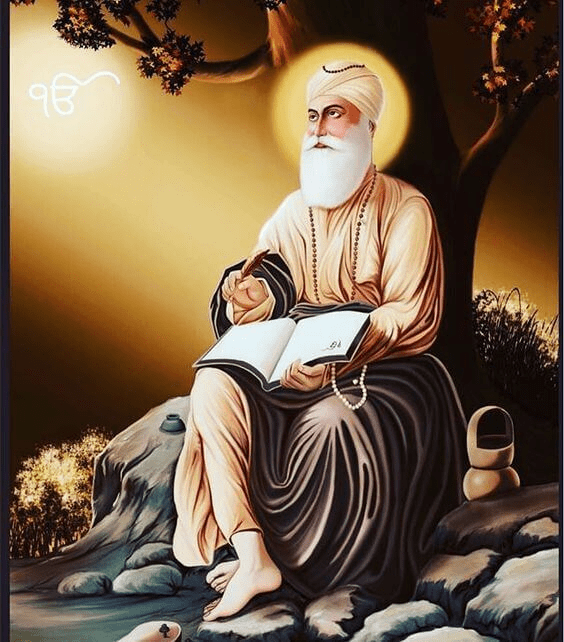

ACTIVE PRACTICE
Living the Teaching Today
The environmental message of Lord Guru Nanak remains active through Sikh practice.
Daily Application
Sikhs are encouraged to:
- Avoid waste
- Share resources
- Live simply
- Serve the community
These actions are expressions of faith, not lifestyle trends.
A Question for the Reader
If the Earth is sacred, how should daily choices reflect that truth?
This question stands at the center of Guru Nanak’s teaching. It asks for reflection, not perfection.
INNER TRANSFORMATION
Lord Guru Nanak’s Teachings on Peace and the Natural World
The vision of Lord Guru Nanak links peace of mind with balance in nature. He taught that unrest in the human heart creates disorder in the world outside. When inner fire is cooled, the surroundings also regain harmony.
This teaching shifts responsibility inward. Instead of blaming the Earth for scarcity, Sikh thought asks humans to examine their intentions. Desire, when unchecked, becomes the root of destruction.Guru Nanak’s teachings mark a clear shift from form to essence.

Peace as a Spiritual State
Peace in Sikhism is not passive silence. It is an active condition where greed loses power.
Lord Guru Nanak described peace through:
- A calm mind free from excessive desire
- Awareness of the Divine in all spaces
- Acceptance of limits set by nature
Such peace allows humans to live without exploiting the Earth.
Nature as Divine Presence
Guru Nanak revealed that God is present:
- In water
- On land
- In forests
- Across the three worlds
This teaching removes the boundary between sacred and ordinary. When nature holds divine presence, harming it becomes a spiritual failure, not only an environmental one.
Ajit Singh Khalsa observes: जब धरती में ईश्वर दिखाई देता है, तब विनाश असंभव हो जाता है। When God is seen in the Earth, destruction becomes unthinkable.
SHARED HUMANITY
The Sikh View of Humanity and the Planet
Sikhism rejects the idea that humans stand above nature. Lord Guru Nanak placed humanity within creation, not outside it.
Inclusivity in Practice
He traveled across India, Persia, and beyond, dialoguing with Hindus, Muslims, Buddhists, and Jains.
Humanity as Part of Creation
Humans depend on the same elements as all life. This dependence creates responsibility, not entitlement.
Sikh philosophy emphasizes:
- Interdependence, not domination
- Participation, not ownership
- Care, not consumption
Recognizing this balance keeps both society and environment stable.
Why Exploitation Breaks Spiritual Law
Excessive extraction reflects ego, not need. When wealth becomes the only goal, harmony collapses.
Guru Nanak’s teaching warns against:
- Accumulating beyond necessity
- Ignoring future generations
- Treating Earth as a commodity
Such behavior distances individuals from spiritual truth.
ACTIVE CARE
Sikh Practices That Reflect Environmental Respect
Sikh values are not abstract. They translate directly into daily conduct.
Community Living and Simplicity
Langar, the community kitchen, demonstrates ecological balance in action. Food is shared equally, prepared collectively, and consumed without hierarchy.
This practice teaches:
- Moderation over excess
- Sharing over hoarding
- Gratitude over waste
When applied beyond the gurdwara, it becomes an ecological ethic.
Seva as Environmental Care
Seva includes caring for surroundings. Cleaning public spaces, protecting water sources, and maintaining community land are all expressions of faith.
Lord Guru Nanak framed service as devotion. Serving the Earth becomes service to the Divine.
MORAL LEGACY
Environmental Responsibility Across Sikh Generations
The teachings of Lord Guru Nanak were not limited to his time. They continue through Sikh communities worldwide.
Passing Values Forward
Sikh families teach children:
- Respect for natural resources
- Simplicity in living
- Awareness of shared responsibility
These lessons ensure continuity of ethical living.
Global Sikh Perspective
Across different countries, Sikhs adapt these teachings to local realities. The principle remains unchanged: live lightly, give freely, and protect what sustains life.
This adaptability proves the depth of Guru Nanak’s vision.
MODERN CHALLENGES
Challenges to Living in Harmony
Despite clear teachings, challenges remain.

Modern Pressures
Industrial growth, consumer culture, and social competition test Sikh values.
Key challenges include:
- Overconsumption disguised as success
- Neglect of communal responsibility
- Separation of spirituality from daily choices
These pressures do not come from Sikhism, but from forgetting its foundations.
Returning to Guru Nanak’s Path
The solution is not new ideology. It is remembrance.
Returning means:
- Reflecting daily on Lord Guru Nanak’s teachings
- Aligning consumption with necessity
- Treating the Earth as sacred space
- Practicing giving as an ecological act
This return restores balance without conflict.
TIMELESS TRUTH
The Enduring Message of Lord Guru Nanak
The environmental wisdom of Lord Guru Nanak remains clear and uncompromising. The Earth is sacred. Life is interconnected. Peace begins within.
His teachings remind humanity that survival without harmony is empty. Growth without responsibility is hollow. Spirituality without care for creation is incomplete.
The Sikh vision does not separate faith from the Earth beneath our feet. It binds them together.
The question remains open for every generation: if creation is sacred, how will we live within it?The words of Baba Nanak are not trapped in history — they guide Sikhs daily in decisions, actions, and identity.