
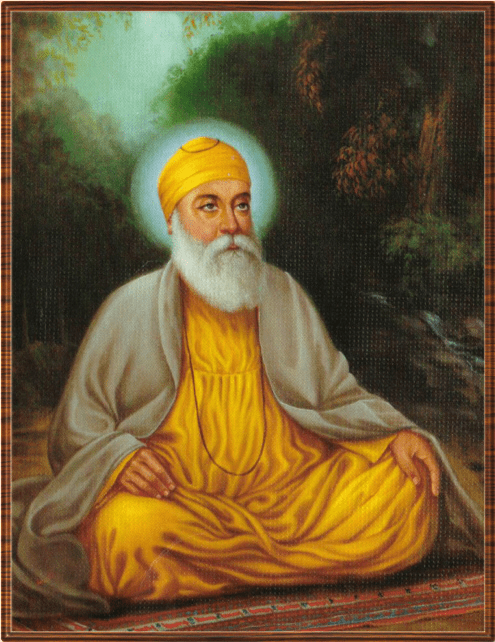
Lord Guru Nanak and the Sikh Path of Selfless Service
Lord Guru Nanak’s teachings established seva — or selfless service — as a living expression of spiritual truth. To serve humanity is to serve the Divine. In Sikhism, acts of giving are never about gaining recognition; they are about dissolving the ego and recognizing the light of Waheguru in everyone. Seva is not optional. It is a foundational practice that transforms not only the world, but the self.

PATH OF SERVICE
Seva in Sikhism: A Sacred Responsibility
The Sikh faith defines seva as a commitment to care for others without seeking anything in return. It is seen as a natural extension of recognizing the oneness of all life.
When Guru Nanak taught that God lives in all, he erased the divide between worship and action. To help someone hungry, tired, or grieving is not a worldly act — it is an act of deep spiritual connection.
The Spirit Behind Seva
Sikhs believe that:
- True charity comes from humility, not pride
- Service deepens one’s relationship with God
- Giving must come without expectation
When seva is done correctly, it softens the heart, clears the mind, and brings the giver closer to Waheguru.

FORMS OF SERVICE
Types of Seva in Sikh Practice
Seva in Sikhism is not limited to one form. It can be physical, intellectual, or material — but the core is always selflessness.
Taan: Service Through Physical Action
Physical service, or taan, is one of the most visible forms of seva. This includes:
- Cooking and cleaning in langar (the Sikh community kitchen)
- Maintaining the gurdwara
- Assisting in community health, relief, or outreach
Langar, introduced by Lord Guru Nanak himself, was revolutionary. Everyone — regardless of caste or class — sits together and eats the same food. The act of serving food is equal to worship.
Maan: Service Through Mind and Emotion
Maan refers to using the mind and heart to serve:
- Sharing wisdom or creative skills
- Teaching others with patience
- Listening deeply, offering empathy
True maan seva happens in moments when we uplift someone emotionally or intellectually, not for recognition, but out of love.
Dhan: Service Through Material Resources
Dhan involves sharing wealth, food, or goods to support others:
- Donating without show or expectation
- Funding causes that uplift the vulnerable
- Supporting education, shelter, or medical needs
In Sikh thought, giving must never be transactional. When ego enters giving, the spiritual value is lost.
GOOD FOR ALL
Sarbat da Bhala: Praying for All Humanity
Every Sikh, as part of the daily prayer Ardās, includes the line “sarbat da bhala” — a call for the well-being of all.
This is more than a phrase. It is a daily discipline to:
- Wish peace upon all
- Serve not only those we know, but strangers
- Break boundaries of caste, religion, and status
Ajit Singh Khalsa reflects: “ਜਦੋਂ ਤੁਸੀਂ ਹਰ ਰੋਜ਼ ਦੁਨੀਆਂ ਲਈ ਭਲਾਈ ਦੀ ਅਰਦਾਸ ਕਰਦੇ ਹੋ, ਤਾਂ ਤੁਹਾਡਾ ਦਿਲ ਹਰ ਰੋਜ਼ ਥੋੜਾ ਹੋਰ ਨਰਮ ਹੋ ਜਾਂਦਾ ਹੈ।”
When you pray daily for the world’s well-being, your heart softens daily in return.
LIVED TRUTH
Service in the Teachings of Lord Guru Nanak
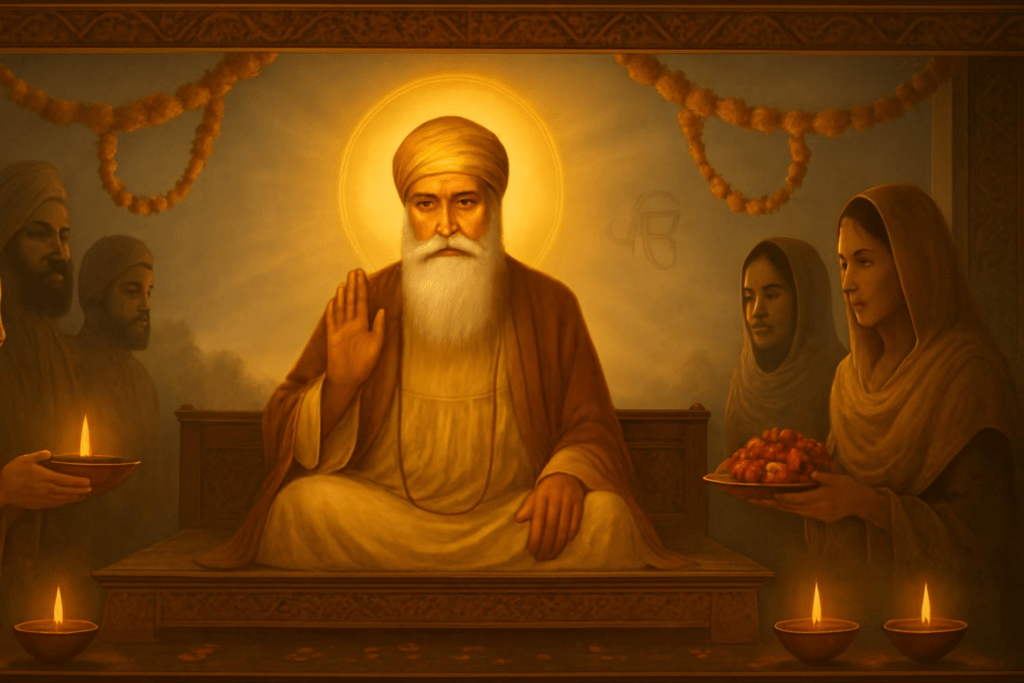
Guru Nanak’s life modeled the message he preached. He traveled, shared, served, and never claimed superiority. To him, equality wasn’t a slogan — it was seva in action.
Quotes That Inspire Sikh Seva
The Guru Granth Sahib reminds:
- “You become like the one you serve.”
- “He alone serves who sees the One in all.”
- “Serve the Saints, and your mind shall find peace.”
These lines point to a deep truth: service is not below spirituality — it is spirituality.
Modern Expressions of Seva
Today, Sikh communities worldwide carry forward the legacy of service.
Examples include:
- Disaster relief camps organized by Sikh youth
- Global langar initiatives serving thousands daily
- Free clinics, schools, and education drives
These actions embody Guru Nanak’s vision of compassion without condition.
Why True Seva Is Without Ego
Seva is corrupted when done for praise, power, or reward.
True seva must be:
- Anonymous, when possible
- Quiet, not boastful
- Pure, without pride
Guru Nanak rejected all actions motivated by personal gain, even those dressed as charity. सेवा जो स्वार्थ से जुड़ी हो, सेवा नहीं — सौदा बन जाती है।
SPIRITUAL PRACTICE
Seva in Sikhism
| Type of Seva | Description | Real-World Example |
| Taan | Physical service | Cooking/serving food in langar |
| Maan | Mental or emotional contribution | Teaching, mentoring, empathetic listening |
| Dhan | Material or financial giving | Anonymous donation for education or relief |
Becoming Closer to God Through Seva
Sikh philosophy teaches that service dissolves ego, and where ego disappears, God enters.
To see Waheguru in all people means every act of kindness becomes sacred. When a Sikh helps another, they don’t rise above them — they bow before the God within them.
The road to the Divine, in Guru Nanak’s eyes, doesn’t go through isolation — it goes through the people.