Punjabi Alphabet and Gurmukhi Varnmala Explained
The Punjabi alphabet is not only a writing system but a disciplined way of hearing, speaking, and understanding sound. Known as the Punjabi varnmala, it reflects how language is meant to be spoken aloud, not guessed silently. For learners, teachers, and readers of Gurbani or everyday Punjabi text, clarity about the Punjabi alphabets is essential.
Unlike many scripts that hide sound behind spelling rules, the Punjabi alphabet follows a largely phonetic logic. Jo likha jaata hai, wahi bola jaata hai. This makes learning the Gurmukhi-based Punjabi alphabets systematic, but only if the structure is understood from the beginning.
Structure of the Punjabi Alphabet
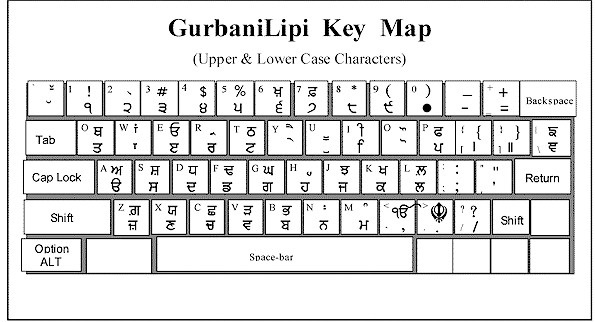
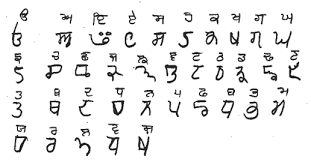
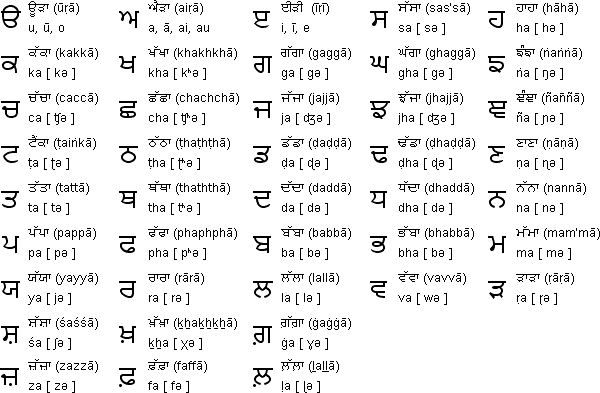
The Punjabi alphabet is written in Gurmukhi and traditionally begins with three vowel bearers, followed by consonants arranged by sound groups. Earlier forms contained thirty-five letters, later expanded to include additional sounds used in Punjabi speech.
Each letter in the Punjabi varnmala has three inseparable aspects.
- A fixed shape
- A specific name
- A defined sound
These aspects work together. Ignoring one weakens reading accuracy and pronunciation.
The Three Vowel Bearers
The Punjabi alphabet starts with three unique characters: ੳ, ਅ, ੲ. These are not consonants. They act as carriers for vowels and do not produce sound independently, except for ਅ as the mukta vowel.
Their role is foundational. They allow vowels to exist at the start of words and syllables, making Punjabi flexible and precise.
Organization of Punjabi Alphabets by Sound
The Punjabi alphabets are grouped according to how sounds are produced in the mouth. This system comes from ancient linguistic science and helps learners master pronunciation faster.
Consonants are arranged in rows that reflect:
- Unaspirated sounds
- Aspirated sounds
- Nasal sounds
This structure allows learners to hear patterns rather than memorize randomly. Once this logic is understood, the Punjabi alphabet feels predictable, not overwhelming.
Aspirated and Unaspirated Sounds
One defining feature of Punjabi alphabets is the contrast between aspirated and unaspirated consonants. These contrasts do not exist in English.
Aspirated sounds release audible breath, while unaspirated sounds do not. Confusing the two can change meaning entirely. This is why the Punjabi varnmala insists on clear separation between these pairs.
The Three Writing Zones in Gurmukhi Script
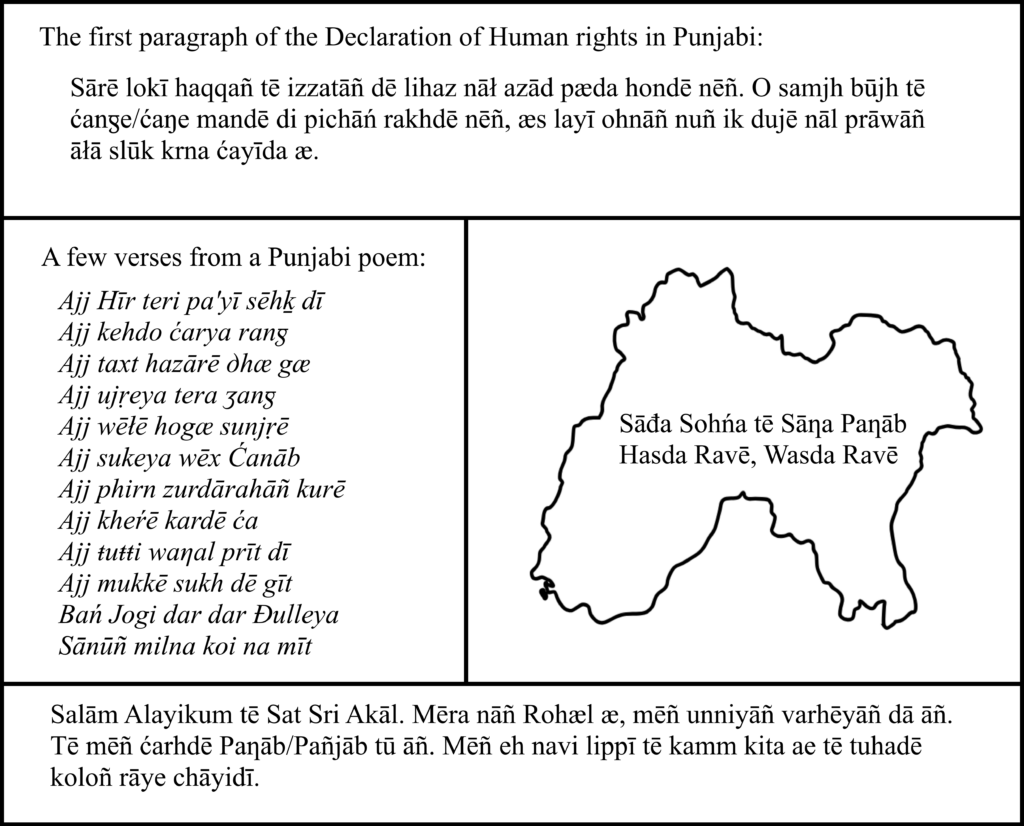
Every letter of the Punjabi alphabet occupies one or more of three horizontal zones. This spatial structure explains why Gurmukhi looks the way it does.
The zones are:
- Upper zone above the headline
- Middle zone below the headline
- Lower zone beneath the middle zone
The headline connects most letters, forming a visual line that holds words together. The middle zone carries most consonants and activity, while vowels and modifiers move above or below it.
Why Zones Matter for Reading
Understanding zones helps learners read faster and write more accurately. When vowels appear in the upper or lower zones, they modify sound without interrupting word flow.
This design supports collective reading, which is why Gurmukhi works so well for recitation.
Letters with a Dot in Punjabi Alphabet
Some Punjabi alphabets carry a dot beneath the letter, known as pair bindi. These letters were introduced to represent sounds from borrowed words.
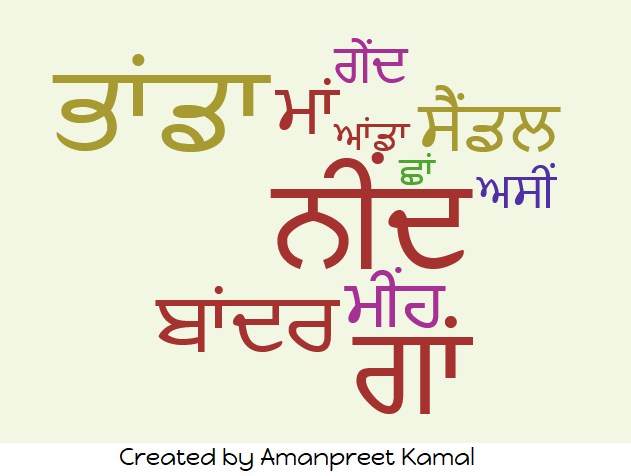
Examples include variations of sa, kha, ga, ja, pha, and la. These dotted letters are named by adding par bindi to the original letter name.
Many Punjabi speakers pronounce dotted and non-dotted versions similarly, especially in East Punjab. The distinction exists more for written accuracy than spoken difference.
It is important to remember that these dotted letters do not appear in the Guru Granth Sahib Ji.
Subjoined Consonants in Punjabi Varnmala
Punjabi uses a limited set of subjoined consonants, written below the main letter. These are called pairī letters.
There are three commonly used subjoined forms:
- Pairī haha
- Pairī rara
- Pairī vava
They alter sound flow within a word and must be read as part of the main consonant. There is no special transliteration symbol for them, so attention to spelling is critical.
Nasal Consonants and Nasalization Signs
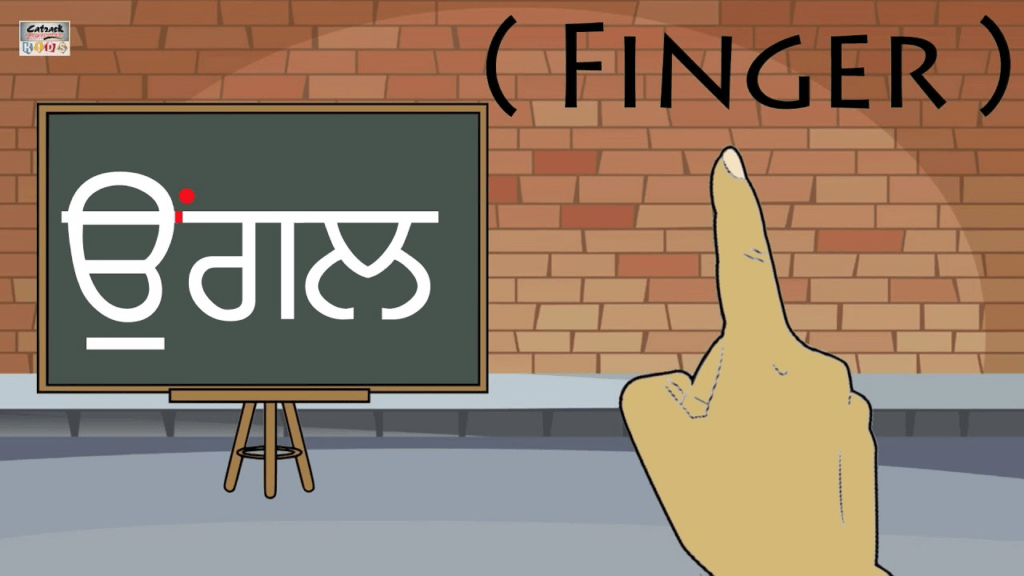
The Punjabi alphabet includes five nasal consonants, each linked to a different consonant group. Nasalization also occurs through two signs used with vowels.
These are:
- Bindi, used with specific long vowels
- Tippi, used with short vowels
Though subtle, nasalization can change meaning completely. Learners often overlook this, but fluent reading depends on recognizing these signs instinctively.
Vowels in the Punjabi Alphabet
Punjabi has ten vowel sounds, far fewer than English. This simplicity supports the one sign, one sound principle.
Vowels appear in two forms:
- Independent vowels, used at the beginning of words
- Dependent vowels, attached to consonants
All consonants assume a default mukta vowel unless modified. This rule applies consistently across the Punjabi alphabets.
Vowel Length and Sound Pairs
Vowels form five sound pairs. In the first three pairs, the difference is length. In the last two, the difference is openness.
This distinction trains the ear to hear precision. Without it, Punjabi pronunciation loses clarity.
Independent Vowels and Diphthongs
Independent vowels are carried by the first three letters of the Punjabi alphabet. They appear when a vowel stands alone, when two vowels occur together, or when diphthongs form.
Punjabi allows complex vowel combinations, sometimes with no consonant at all. This feature gives the language its melodic quality.
Have you noticed how Punjabi words can stretch and flow without feeling heavy?
Auxiliary Signs in Punjabi Alphabet
Beyond letters and vowels, the Punjabi alphabet relies on auxiliary signs that refine sound without adding new characters. These signs demand attention because they often decide meaning.
Two nasal signs and one doubling sign play a critical role in Punjabi varnmala.
- Bindi
- Tippi
- Adhak
Each works under strict conditions and cannot be swapped casually.
Bindi and Its Function
Bindi adds nasal resonance to a vowel. It is used with kannā, lāvā, dulāvā, bihārī, hōṛā, kanauṛā, and with independent vowels where ਅ acts as the bearer.
Its sound resembles the “n” in band or grand. For example, a small dot changes an ordinary vowel into a nasalized one, altering both sound and meaning. This subtlety defines accuracy in Punjabi alphabets.
Tippi and Its Limits
Tippi also adds nasal sound but follows different rules. It is used with muktā, sihārī, auṅkaṛ, and dulaiṅkaṛ only. It never appears on the final letter of a word.
Learners often confuse bindi and tippi, but fluent readers instinctively know which one belongs where. Yeh practice se aata hai, rule ratne se nahi.
Adhak and the Power of Doubling
Adhak is a small sign with a strong impact. It indicates that the following consonant must be pronounced twice. Though visually modest, it can change meaning entirely.
For example, kad and kadd are different words with different meanings. Without adhak, sound collapses into ambiguity. With adhak, intent becomes clear.
It is important to note that adhak is not used in the Guru Granth Sahib Ji, yet it remains essential in modern Punjabi writing.
Tone System in Punjabi Language
One of the most distinctive features of Punjabi is its tone system. Unlike many South Asian languages, Punjabi uses pitch to differentiate meaning.
There are three tones:
- Low tone
- High tone
- Level tone
These tones are not marked in writing. They must be learned through listening and usage. The same written word can carry different meanings depending on tone.
This is where the Punjabi alphabet meets lived speech. Script guides sound, but tone completes it.
Why Punjabi Is a Syllabary
Technically, Punjabi writing functions more as a syllabary than a pure alphabet. Each character represents a syllable rather than a single abstract sound.
This explains why Punjabi alphabets feel intuitive once the system clicks. Learners stop spelling letter by letter and start hearing blocks of sound.
This structure supports fast reading, group recitation, and oral transmission, all central to Punjabi cultural life.
Learning Punjabi Alphabet Step by Step
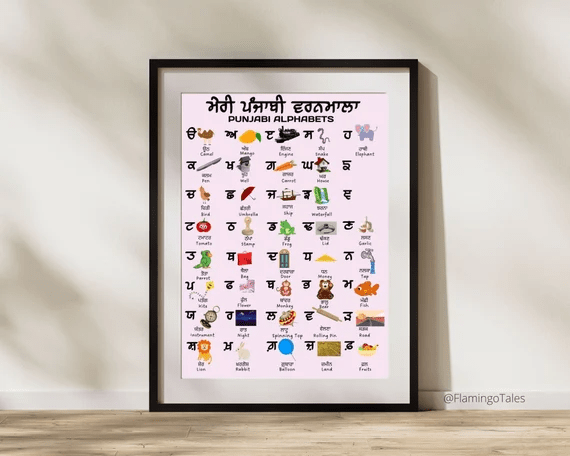
A disciplined approach helps learners avoid confusion. The Punjabi alphabet rewards structure.
An effective learning sequence includes:
- Mastering the three vowel bearers
- Learning consonant groups by sound class
- Practicing dependent vowels with one base consonant
- Recognizing nasal signs and adhak in context
Skipping steps leads to shaky foundations. Solid basics lead to confidence.
Punjabi Alphabet in Education and Daily Life
The Punjabi varnmala is taught in homes, schools, and gurdwaras. It supports religious study, folk literature, administration, and digital communication.
Children learn it through repetition and sound. Adults often return to it when reconnecting with language later in life. Both journeys matter.
When someone relearns Punjabi alphabets, it is rarely just about language. It is about reclaiming voice.
Respecting Script in Sacred Contexts
Punjabi alphabets carry spiritual responsibility when used for Gurbani. Accuracy in vowels, spacing, and sound is not optional. It is an ethical requirement.
Certain signs, like adhak and dotted letters, do not appear in the Guru Granth Sahib Ji. Knowing this difference preserves textual integrity.
Ask yourself honestly: am I reading, or am I listening with my eyes?
Punjabi Alphabet as Cultural Memory
The Punjabi alphabet is memory encoded as sound. It preserves history, poetry, and collective wisdom. Its logic reflects care, not convenience.
Learning Punjabi varnmala trains patience. Reading it builds discipline. Speaking it builds connection.
When alphabets are respected, language stays alive.