Neera Arya and the Courage of India’s First Woman Spy
Neera Arya occupies a rare place in India’s freedom history. Known as the first woman spy of the Indian National Army, her life was shaped by courage that demanded silence, sacrifice, and moral clarity. Long before her story reached cinema or public discussion, Neera Arya lived a life defined by resistance rather than recognition.
Born into comfort yet drawn to struggle, Neera Arya chose a path that cut against privilege and personal safety. Her journey reflects a deeper truth of India’s freedom movement, where conviction often demanded unbearable personal cost. Aaj bhi, jab hum azaadi ki baat karte hain, Neera Arya ka naam hamein yaad dilata hai ki deshbhakti sirf naare nahi hoti.
Early Life and Formation of Conviction
Neera Arya was born on 5 March 1902 in Khekra Nagar, in present-day Baghpat district. Her father, Seth Chhajjumal, was a successful businessman who believed strongly in education. Neera and her brother Basant were sent to Kolkata for schooling, exposing her early to political thought and nationalist ideas.
From a young age, Neera Arya showed concern for the nation’s future. Education sharpened her awareness, but it was her moral instinct that shaped her choices. Comfort did not dull her sensitivity to injustice.
Her early years reveal an important pattern. She did not rebel impulsively. She observed, absorbed, and chose her allegiance carefully.
Joining the Azad Hind Fauj
After completing her education, Neera Arya joined the Rani Jhansi Regiment of the Azad Hind Fauj. This decision placed her among women who believed freedom demanded action, not waiting.
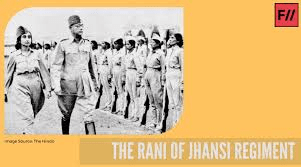
The regiment trained women not only as supporters but as soldiers. Discipline, secrecy, and loyalty defined this world. For Neera Arya, it was not a break from upbringing but an extension of her ethical clarity.
Marriage and Ideological Conflict
Neera Arya’s life took a sharp turn when her father arranged her marriage to Srikant Jai Ranjan Das, a British Army officer serving as a CID inspector. The union brought two opposing loyalties under one roof.
This conflict was not symbolic. It was immediate and dangerous. As Srikant learned about Neera Arya’s involvement with Netaji Subhas Chandra Bose and the INA, suspicion turned into pressure. He questioned her repeatedly, seeking information about Bose’s movements.
Neera Arya refused. Silence became her shield.
The Moment That Changed Everything
One day, Neera Arya met Subhas Chandra Bose to discuss critical matters. Unbeknownst to her at first, Srikant followed. He opened fire, killing Bose’s driver and attempting to reach Bose himself.
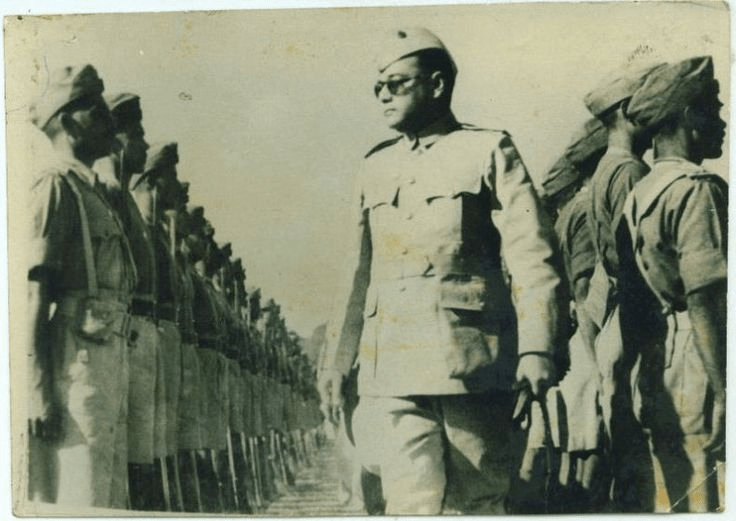
In that moment, Neera Arya acted without hesitation. She stabbed Srikant, preventing Bose’s assassination. This act sealed her fate but saved a leader central to the freedom struggle.
Was there any space for hesitation when history stood inches away?
Imprisonment and Brutal Repression
Following the incident, the British government sentenced Neera Arya to imprisonment in the Cellular Jail in the Andaman and Nicobar Islands. The punishment was meant to break her spirit.
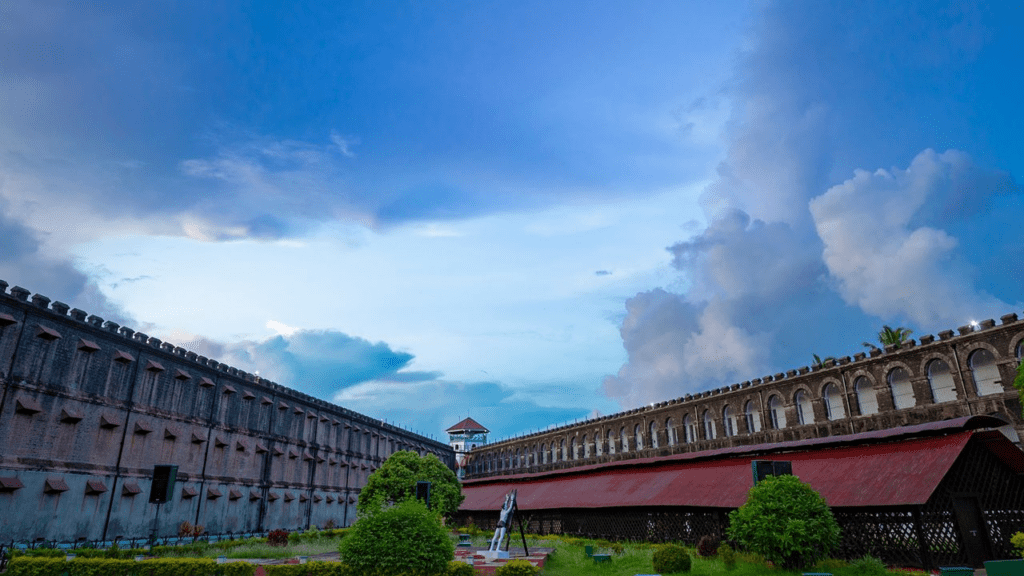
Inside prison, Neera Arya faced extreme torture. Authorities attempted to bribe her with freedom in exchange for information about Indian National Congress leaders and Subhas Chandra Bose. She refused every offer.
Her resistance carried consequences.
- Physical torture meant to extract names
- Psychological abuse designed to induce fear
- Isolation intended to erase resolve
Despite this, Neera Arya did not betray the movement. Historical accounts describe brutality inflicted upon her body when she refused to speak. Yet loyalty remained intact.
Becoming the First Woman Spy of the INA
After enduring imprisonment, Neera Arya was entrusted by Subhas Chandra Bose with the role of the INA’s first woman spy. This was not symbolic recognition. It was operational responsibility.
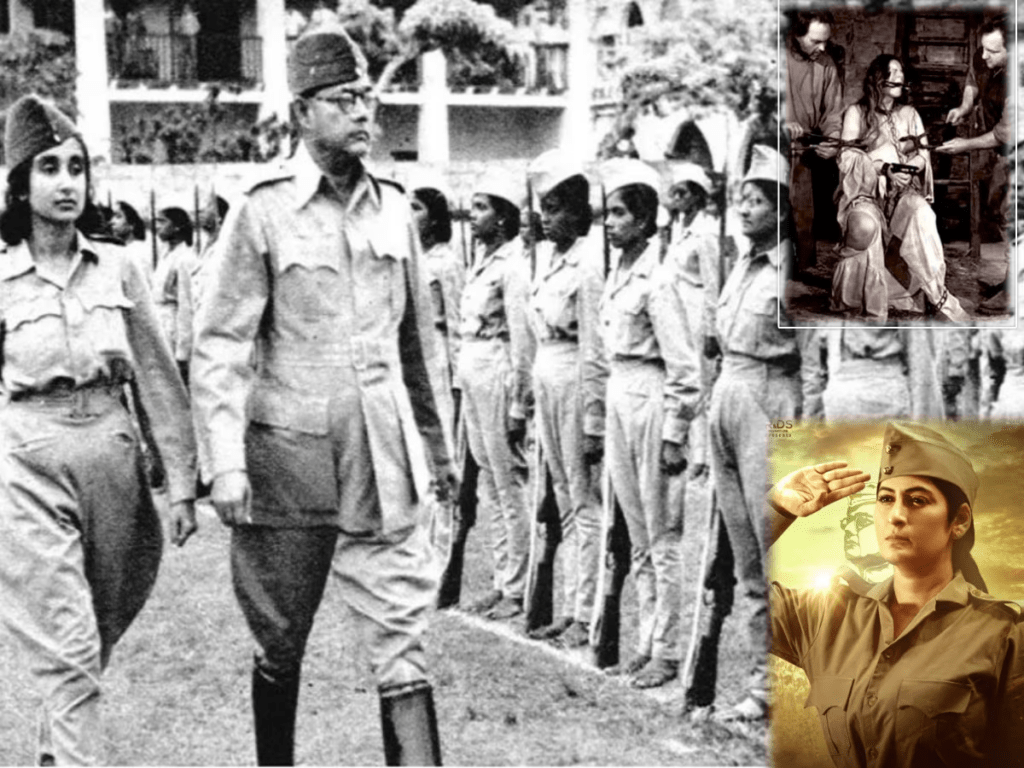
She worked closely with another young operative, Saraswati Rajamani. Disguised in boys’ clothing, they gathered intelligence from British officers’ homes and military camps. Information was passed discreetly to INA leadership.
This phase of Neera Arya’s life demanded constant vigilance.
- Changing identities to avoid detection
- Moving silently through hostile spaces
- Living with the certainty of capture
Nira Arya, as her name is sometimes recorded, proved that courage could exist without visibility.
A Life Lived Without Reward
After independence, Neera Arya did not receive state honors or sustained support. The years of sacrifice ended in anonymity. She spent her later life in Hyderabad, earning a living by selling flowers.

There was no bitterness in this simplicity, only quiet endurance. She lived in a hut in the Falaknuma area and passed away on 26 July 1998 at Osmania Hospital, far from the public memory of her deeds.
Memory, Silence, and Historical Erasure
After independence, Neera Arya did not step into public life or political power. Her silence was not defeat. It was the cost of a struggle that had no audience once the war ended. Like many women who served in covert roles, her contribution remained unrecorded in official narratives for decades.
Neera Arya lived through the strange contradiction of freedom. The nation she helped liberate moved forward, while her name faded into obscurity. There were no pensions, no sustained recognition, and no institutional effort to document her role.
This erasure was not accidental. Stories of women who operated outside traditional frames of heroism were often left out. Spies do not fit neatly into celebratory history.
Why Women Spies Were Forgotten
Several factors worked together.
- Their work depended on secrecy, even after independence
- Official records favored visible military or political leadership
- Gender bias shaped what was remembered and what was ignored
Neera Arya’s life shows how silence can be imposed long after courage has been proven.
Rediscovery Through Cinema and Public Memory
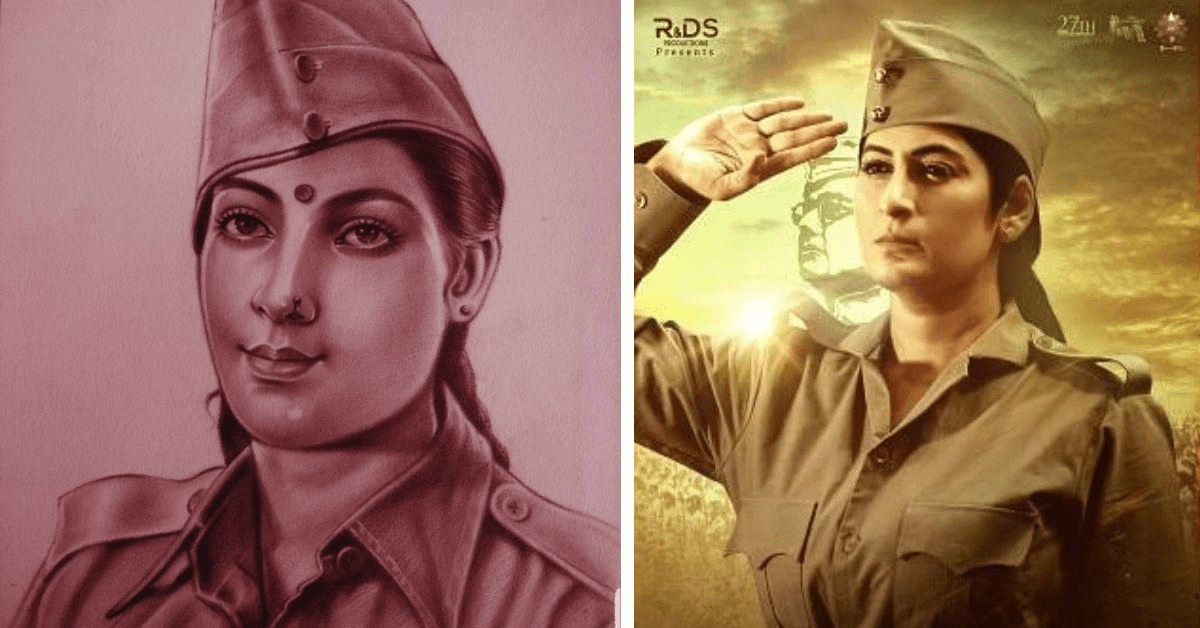
More than seventy years later, Neera Arya returned to public consciousness through a biopic inspired by her life. The project marked a shift in how freedom history is revisited, especially through women’s experiences.
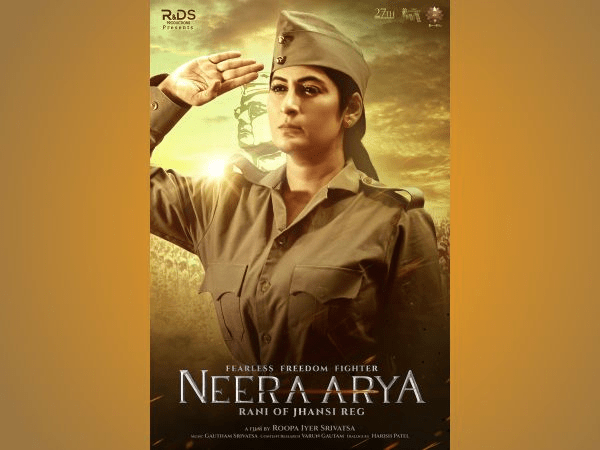
The intent behind revisiting her story was not spectacle. It was recovery. Generations had grown up knowing a few names while hundreds of others remained invisible. Bringing Neera Arya’s journey to screen reopened questions about whose sacrifices shape national memory.
For many viewers, this was the first time they encountered the name Neera Arya or the alternate spelling nira arya, both referring to the same figure whose life had been fragmented across records.
Does remembrance arrive too late, or does it still matter when it finally comes?
Ethical Courage Beyond the Battlefield
Neera Arya’s legacy cannot be reduced to a single act of violence or espionage. What defines her is ethical clarity. She chose allegiance not to comfort, marriage, or survival, but to a moral vision of freedom.
Her refusal to betray fellow revolutionaries under torture reflects a core principle shared across liberation movements. Loyalty, when tested under pain, becomes conviction.
From a social ethics perspective, her life raises hard questions.
- What is the cost of moral courage
- Who bears that cost after the struggle ends
- Why do societies fail to protect those who protected them
These questions remain relevant far beyond her time.
Comparing Neera Arya With Her Peers
While male leaders of the INA and freedom movement entered textbooks, women like Neera Arya remained footnotes. Even within the Rani Jhansi Regiment, only a few names crossed into popular history.
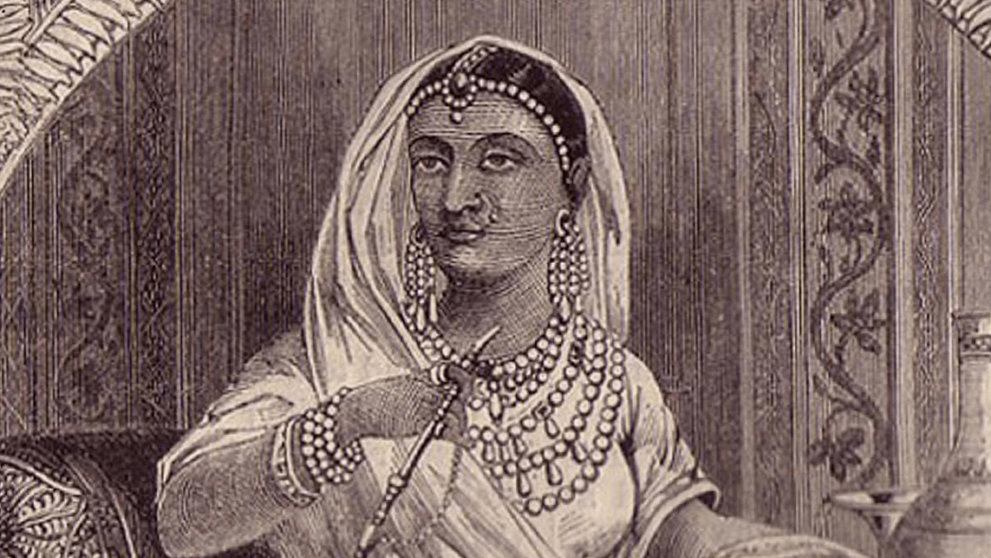
This imbalance is not about competition. It is about completeness. A freedom narrative that excludes covert work and women’s agency remains incomplete.
Neera Arya’s contribution complements, rather than competes with, better-known figures. Her life adds depth to the understanding of resistance.
A Quiet Ending That Reflects a Harsh Truth
In her final years, Neera Arya lived in modest conditions in Hyderabad. Selling flowers was not symbolic poverty. It was survival. The nation did not ask how its spies lived after their usefulness ended.
She died on 26 July 1998, without ceremony or national mourning. Yet her life had already answered a deeper question. She had chosen duty over reward.
For many, that truth is uncomfortable.
Why Neera Arya Still Matters
Neera Arya matters because she disrupts convenient history. She reminds us that freedom was not achieved only through speeches and visible battles, but through unseen courage and irreversible personal loss.
Her story also challenges how societies treat women who step outside prescribed roles. Marriage, obedience, and silence were expected. Resistance, agency, and secrecy were punished.
Neera Arya accepted the punishment without abandoning belief.
Carrying Her Legacy Forward
Remembering Neera Arya is not an act of nostalgia. It is an act of responsibility. When forgotten stories return, they demand reflection, not just admiration.
For young readers, her life expands the definition of patriotism. For historians, it exposes gaps. For society, it asks whether courage without recognition still counts.
The answer lies not in monuments, but in memory sustained honestly.
Neera Arya did not ask to be remembered. She acted because she believed. That belief, once rediscovered, refuses to disappear again.