Neelam Krishnamoorthy and the Long Fight for Justice
Neelam Krishnamoorthy did not set out to become a symbol of resistance. She was a mother whose life was torn apart on a summer evening in Delhi. On 13 June 1997, the Uphaar Cinema fire took away her two children, along with 57 other lives, leaving behind families shattered by grief and unanswered questions.
What followed was not only mourning but awakening. Neelam Krishnamoorthy and her husband Shekhar stepped into a legal battle that would stretch across decades, testing faith in institutions and exposing the unequal weight of justice in India. Dard ke saath gussa bhi aaya, aur us gusse ne himmat ban kar raasta dikhaya.
The Uphaar Cinema Fire That Changed Everything
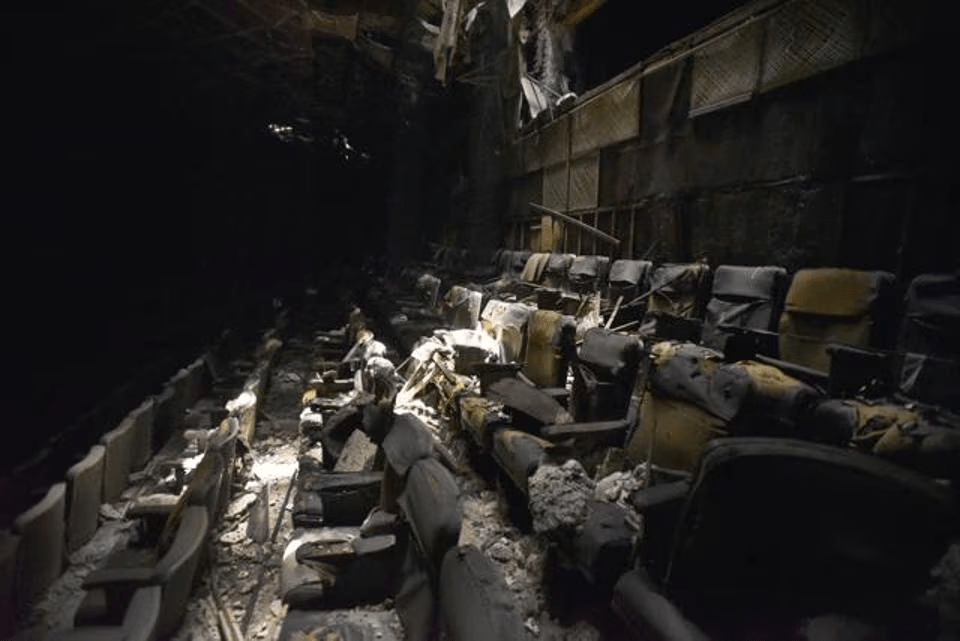
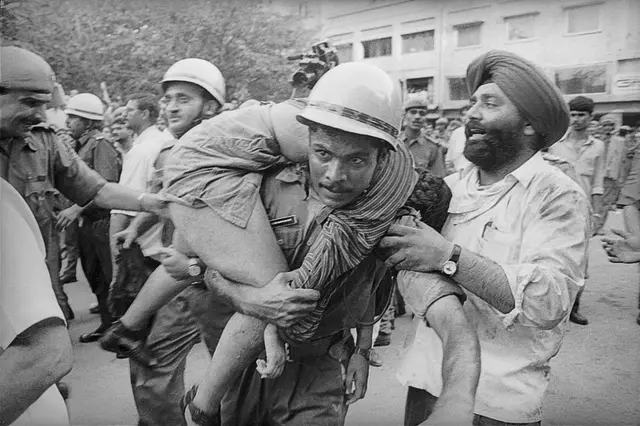
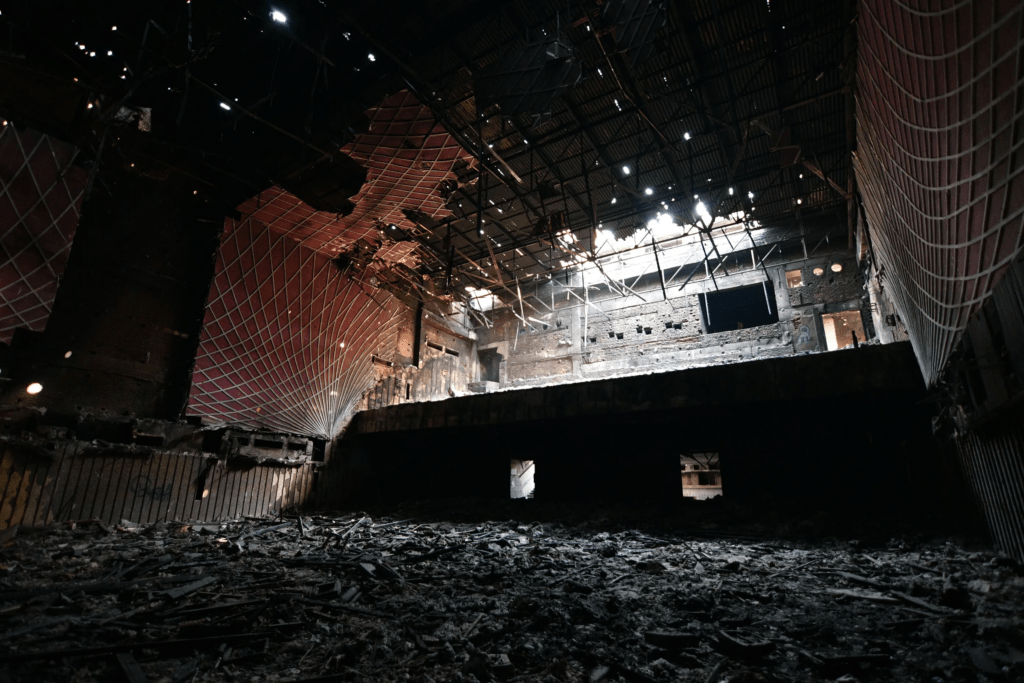
The fire broke out during a screening of a popular film at Uphaar Cinema in South Delhi. Smoke filled the hall, power failed, and panic spread quickly. While people seated on the lower floor managed to escape, those in the balcony were trapped.
The tragedy was not an accident of fate. It was the result of neglect.
Multiple safety failures came together that night.
- Poorly maintained electrical equipment
- No emergency lighting or exit signs
- Locked exits and blocked gangways
- Delayed arrival of fire services
In darkness and confusion, 59 people died of asphyxiation, and more than 100 were injured in the stampede. For Neelam Krishnamoorthy, the shock soon turned into a painful realization: her children did not have to die.
From Grief to Resolve
In the days following the tragedy, Neelam and Shekhar began reading newspapers to understand what had happened. They spoke to survivors and other bereaved families. One detail cut through everything else. The balcony exits had been locked.
That single fact changed the meaning of loss. Tears gave way to anger, and anger turned into resolve. Neelam Krishnamoorthy decided that silence would be a second injustice.
Seeking legal advice, the couple approached senior advocate KTS Tulsi, who agreed to guide them without charging a fee. One suggestion became the foundation of the movement: bring the affected families together and fight collectively.
Building the Association of Victims
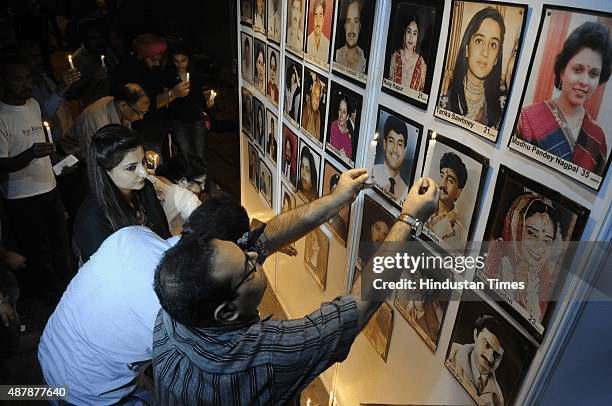
Neelam and Shekhar searched obituary columns, writing down names and phone numbers of families who had lost loved ones. Many were too broken to respond. Some were afraid. Others joined.
On 30 June 1997, the Association of Victims of Uphaar Tragedy was formed. It gave structure to grief and turned isolated voices into one demand for accountability.
Is it easy to relive trauma every day just to be heard?
Challenging Power and Influence
The owners of Uphaar Cinema, influential businessmen with deep resources, were not ordinary defendants. Fighting them meant entering a system where money, delay, and legal complexity often protect the powerful.
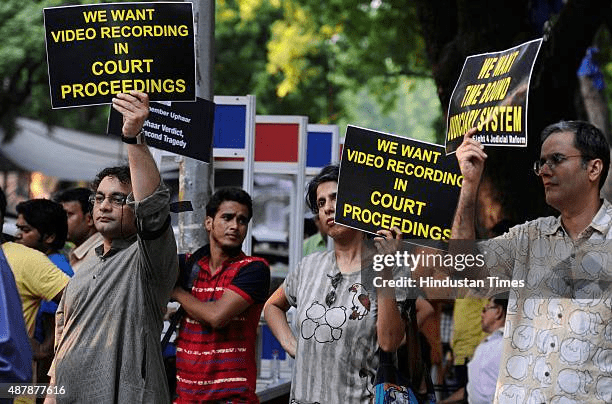
Neelam Krishnamoorthy and her husband were forced to become more than petitioners. They became researchers, paralegals, and activists. They studied files, tracked inconsistencies, and even revisited the cinema site to gather information, despite personal trauma.
This pursuit came at a cost.
- Loss of personal business time
- Emotional and physical exhaustion
- Threats, intimidation, and public ridicule
Yet they did not step back. In Sikh philosophy, the idea of standing firm against injustice is central. That spirit echoed in their actions, even without religious framing.
Years Lost to Delays and Disappointments
The legal battle dragged on through adjournments, missing records, and repeated procedural hurdles. Evidence was tampered with. Accountability remained distant.
Moments that should have brought closure instead reopened wounds. In 2015, when imprisonment for the convicted owners was increased but effectively neutralized by a financial penalty, Neelam Krishnamoorthy broke down publicly for the first time.
She spoke later of feeling betrayed by the system she had trusted for nearly two decades. Fir bhi, unhone case chhodne ka faisla nahi kiya.
Key Phases in the Uphaar Justice Struggle
| Year | Event | Significance |
| 1997 | Uphaar fire tragedy | 59 lives lost |
| 1997 | AVUT formed | Collective legal action |
| 2015 | Modified Supreme Court ruling | Deep public disappointment |
| 2021 | Separate conviction for tampering | Partial accountability |
This timeline reflects persistence rather than progress. Justice moved slowly, often sideways.
Why Neelam Krishnamoorthy Refused to Stop
For Neelam Krishnamoorthy, the case stopped being only about punishment. It became about dignity, memory, and warning. If such negligence went unchallenged, what would prevent it from happening again?
She has often said that she and her husband have spent more years fighting for justice than they ever spent with their children. That sentence carries the weight of a lifetime.
Living With Loss While Demanding Accountability
As the years passed, grief did not soften for Neelam Krishnamoorthy. It changed shape. What remained constant was the sense that justice, when delayed endlessly, becomes another form of violence. Courtrooms became familiar spaces, not because healing was found there, but because absence felt like surrender.
For Neelam Krishnamoorthy, returning to court was never about hope of comfort. It was about refusing erasure. Each hearing was a reminder that her children’s lives mattered beyond statistics and legal language.
She often spoke about the exhaustion that comes from reliving the same facts again and again. Yet, walking away was never an option. Dard ke saath saath zimmedaari bhi thi — un sab ke liye jinhone apni awaaz kho di.
The Emotional Cost of Endless Litigation
Long legal battles extract a price that is rarely acknowledged.
- Constant reopening of trauma
- Financial strain without closure
- Emotional fatigue that never fully lifts
Despite this, Neelam Krishnamoorthy continued, not because she was immune to pain, but because giving up felt like betraying memory.
The Question of Punishment and Age
One of the most painful chapters came when courts repeatedly cited the age and health of the convicted owners while reducing or avoiding imprisonment. For families who had lost young children, this reasoning felt deeply unequal.
Neelam Krishnamoorthy openly challenged this logic. In her view, accountability should remind society that negligence kills, regardless of who commits it. Age, she argued, could not outweigh responsibility.
These moments revealed a deeper flaw. When wealth and influence soften consequences, trust in institutions weakens. That erosion does not stay confined to one case.
Trauma Centre and Partial Outcomes
Not every outcome was hollow. In 2017, fines imposed on the convicted owners were directed toward building a trauma centre at Safdarjung Hospital. For some families, this represented a small but tangible acknowledgment of harm.
Neelam Krishnamoorthy saw this as necessary but insufficient. Infrastructure cannot replace accountability. Healing systems matter, but prevention matters more.
Still, she recognized that even partial outcomes could save future lives. That belief allowed her to hold space for complexity without diluting anger.
Evidence Tampering and Renewed Convictions
In 2021, a separate case related to evidence tampering led to new convictions and prison sentences. For the first time in years, there was a sense that persistence had forced the system to respond.
Yet relief was short-lived. Within months, further legal orders reduced actual time served. The cycle repeated.
When Neelam Krishnamoorthy challenged these decisions publicly, it was not defiance for its own sake. It was refusal to normalize injustice.
Ask yourself honestly: how many times can a person be told to move on when nothing has truly ended?
The Role of Shekhar Krishnamoorthy
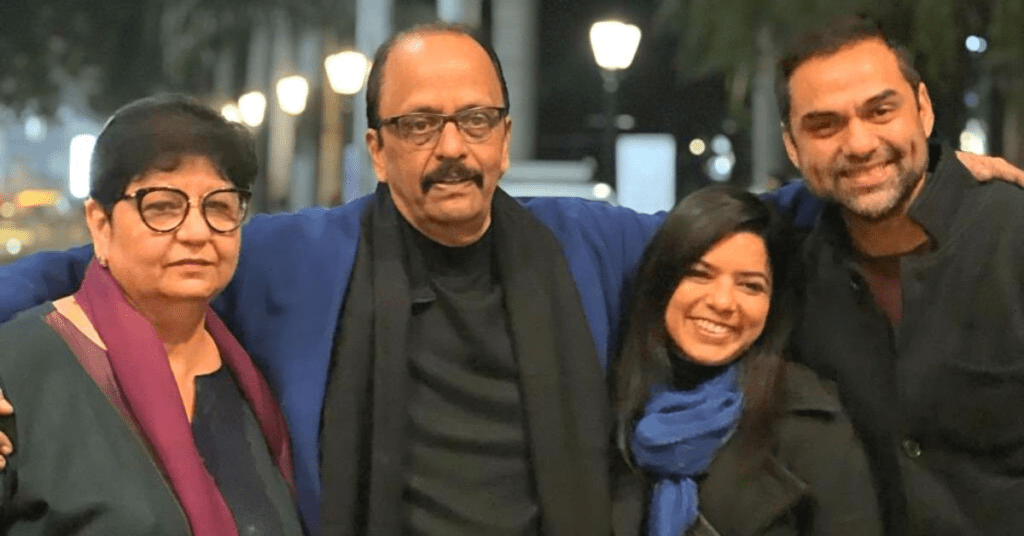
Throughout this journey, Neelam Krishnamoorthy was never alone. Her husband Shekhar stood beside her, sharing both the burden and the resolve. Their partnership was not performative. It was practical and enduring.
When asked what set the course of their lives, Shekhar often recalls a single conversation after the tragedy. Neelam said she wanted to fight. He agreed. That decision defined everything that followed.
Together, they showed that justice-seeking is not heroic in moments. It is relentless in routine.
Why This Fight Still Matters
More than two decades later, the Uphaar case remains a mirror held up to Indian society. It reflects how ordinary citizens struggle when facing systems tilted toward power. It also shows what sustained resistance looks like.
Neelam Krishnamoorthy’s fight is not only about the past. It is about safety norms, public accountability, and the value placed on human life. Each delay sends a message. Each challenge counters it.
Her refusal to give up has already shaped public conversation around disaster accountability.
A Reminder Written in Persistence
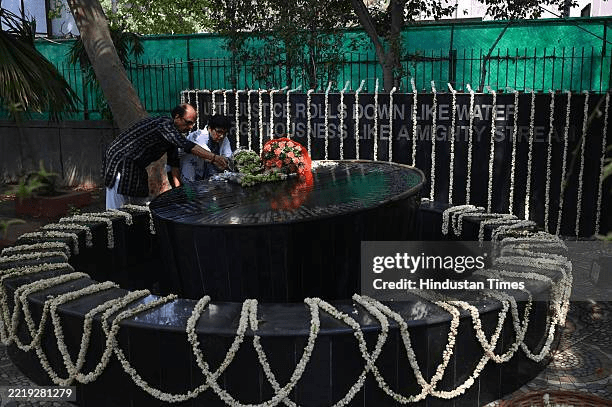
Neelam Krishnamoorthy never claimed moral victory. She claimed memory. She claimed the right to question authority. She claimed space for grief that does not fade on command.
For every parent who has been told to forget, her journey says otherwise. For every citizen who believes justice belongs only to the powerful, her stand offers contradiction.
This story does not end with closure. It continues with vigilance. Justice, when it arrives late or incomplete, still demands witnesses.
And Neelam Krishnamoorthy has chosen to remain one.