Guru Govind Dou Khade Doha and the Meaning of the Guru
The doha guru govind dou khade stands among the most remembered verses of Sant Kabir. It travels across regions, languages, and faith traditions, spoken in homes, schools, and gurdwaras alike. The power of this doha does not rest in poetic beauty alone, but in the moral clarity it offers about learning, humility, and human responsibility.
Kabir spoke to ordinary people. He addressed किसानों, जुलाहों, साधुओं, गृहस्थों—everyone who lived between work, faith, and doubt. When he framed the question of choosing between Guru and Govind, he was not creating a theological puzzle. He was placing a mirror before society and asking where true guidance really comes from.
Kabir’s World and the Voice Behind the Doha
Kabir lived in fifteenth-century North India, a space marked by rigid caste lines, ritual excess, and deep religious conflict. He did not belong fully to any single tradition, yet spoke to all. His language, often called sadhukkadi or panchmel khichdi, carried words from Avadhi, Braj, Punjabi, Rajasthani, and Khadi Boli.
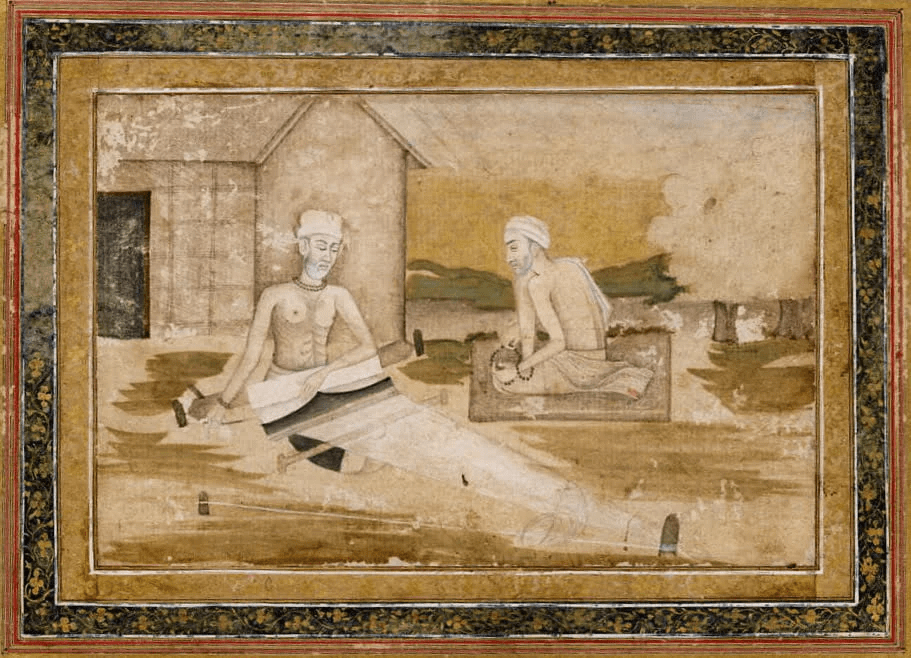
Kabir was not formally educated. He spoke, his followers listened, and the verses travelled by memory before they reached manuscripts. This oral nature gave Kabir’s words a directness that still feels modern. As we say in Hindi, baat seedhi dil tak jaati hai.
The verse guru govind dou khade emerged from this lived environment. It reflects a society where divine authority was claimed by institutions, while everyday people struggled to understand truth through experience.
Guru Govind Dou Khade: The Core Question

The doha states:
Guru Govind dou khade, kake lagoon paan
Balihari guru aapne, Govind diyo batay
Kabir presents a moment of choice. Guru and Govind stand together. Whose feet should one touch first? The answer is firm. The guru deserves reverence because the guru made Govind known.
This is not rejection of God. It is recognition of process. Kabir points to mediation, learning, and human effort as essential bridges between ignorance and awareness. Without guidance, even faith remains vague.
Isn’t that still true today, when information is everywhere but wisdom feels rare?
The Guru as a Transforming Presence

In Kabir’s thought, the guru is not defined by robe, caste, or title. A guru is one who removes confusion. Another doha makes this explicit:
Guru bin gyaan na upjai
Guru bin mile na moksh
Here, knowledge is not data. It is vivek, the ability to tell right from wrong, truth from illusion. Moksha is not escape from the world, but freedom within it.
From a Sikh ethical lens, this aligns closely with the principle of gurmat—living guided by wisdom rather than ego. Guru Nanak also rejected blind ritual and insisted on inner transformation through understanding and honest labor.
Guru, God, and Responsibility
Kabir’s preference for the guru carries ethical weight. It places responsibility on the learner. If truth were instantly accessible, effort would not matter. But Kabir insists that growth demands humility and discipline.
This is why guru govind dou khade remains relevant beyond devotion. It speaks to teachers, parents, mentors, and even institutions. Authority that guides toward clarity earns respect. Authority that blocks understanding loses meaning.
Kabir’s message quietly asks: who helped you see more clearly? And did you honor that help?
The Paras Stone Metaphor and Inner Change
Kabir deepens this idea with another image. He compares the guru to a paras stone, known in folklore for turning iron into gold. But Kabir goes further. The guru does not merely improve material value; the guru reshapes character.
The transformation involves:
- Removal of ignorance, not accumulation of pride
- Development of discernment, not blind belief
- Growth of compassion alongside knowledge
This ethical shift is central to Sikh and Bhakti traditions alike. Truth is not abstract. It is lived through action, seva, and honesty.
Practical Reading of the Doha Today
In present life, guru govind dou khade applies far beyond religion. The guru can be a teacher who challenges your assumptions, a book that unsettles comfort, or a lived experience that breaks illusion.
From my own field research and conversations across Punjab and Uttar Pradesh, I have heard young people explain Kabir in simple terms: pehle samajh aati hai, phir shraddha aati hai. Understanding comes before devotion.
This order matters. When reversed, belief hardens into dogma.
Forms of Guru in Daily Life
Kabir never restricted the guru to one form. The idea expands naturally when we observe how learning actually happens.
Common expressions of guru today include:
- A teacher who teaches ethics, not just skills
- A mentor who corrects without humiliation
- A text that provokes self-questioning
- A lived failure that forces self-honesty
Each aligns with Kabir’s demand for inner awakening rather than external display.
Comparative View: Guru in Bhakti and Sikh Thought
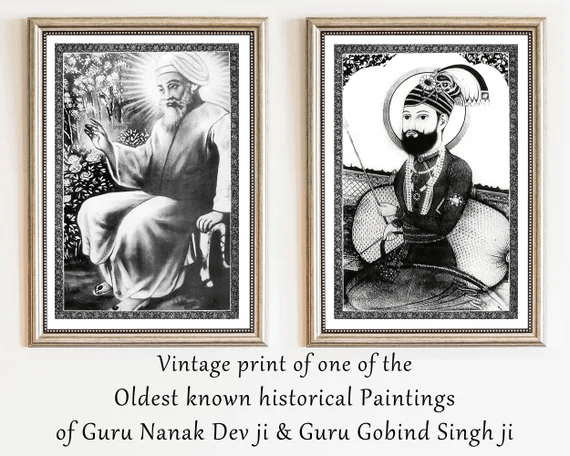
Both Kabir and Guru Nanak place the guru at the center of ethical life. Yet neither encourages dependency. The guru opens the door; walking remains the seeker’s task.
Below is a simple comparison to clarify this shared vision:
| Aspect | Kabir’s View | Sikh Ethical View |
| Role of Guru | Reveals truth through lived wisdom | Guides life through gurmat |
| Relation to God | Guru leads to Govind | Guru embodies divine wisdom |
| Focus | Inner clarity and truth | Honest living and seva |
| Outcome | Freedom from illusion | Balanced spiritual life |
This shared ground explains why Kabir’s verses appear in Sikh scripture and popular memory without contradiction.
Why the Question Still Matters
When Kabir asks whom to bow to, he is not testing loyalty. He is testing awareness. Bowing to the guru means valuing the path over the destination, effort over claim, and ethics over display.
In an age of instant answers, this doha quietly resists shortcuts. It insists that wisdom must be cultivated, not downloaded.
So the next time the verse guru govind dou khade is spoken, it is worth pausing. Who shaped your understanding? And how do you honor that role in your own actions?
Social Equality and the Guru’s Ethical Authority
Kabir’s insistence on the guru carries a strong social message. In a society divided by caste and ritual status, he places authority not in birth or hierarchy, but in insight. The guru earns reverence through wisdom, not position. This idea quietly dismantles सामाजिक भेदभाव without shouting slogans.
When knowledge becomes the measure of respect, inherited privilege loses force. Kabir’s doha challenges systems where power demands obedience without offering clarity. The guru who deserves devotion is one who teaches truth equally to all.
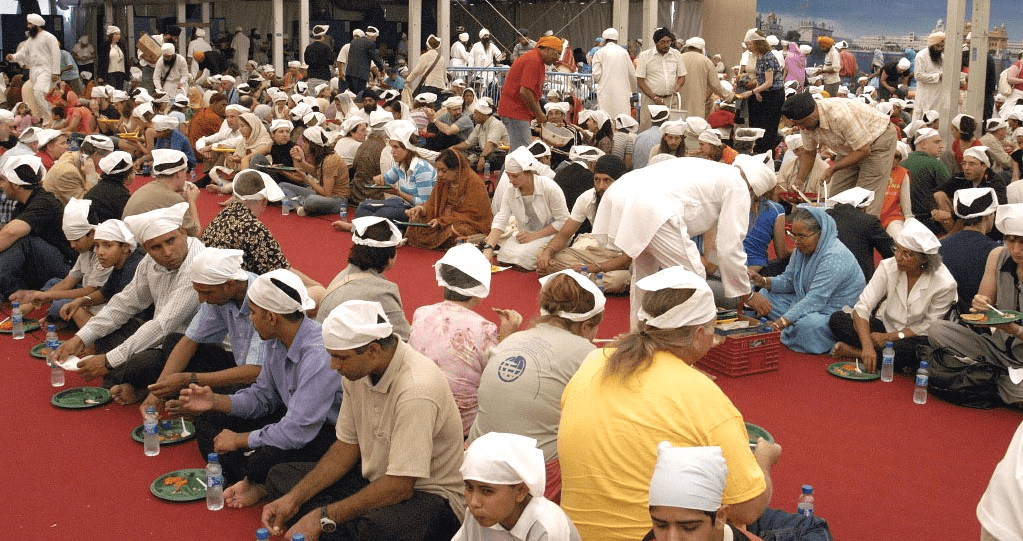
This perspective resonates strongly with Sikh ethics, where equality is not a concept but a daily discipline. Langar, collective prayer, and shared labor all flow from the same moral source: no one stands closer to truth by accident of birth.
Guru Govind Dou Khade and Honest Labor
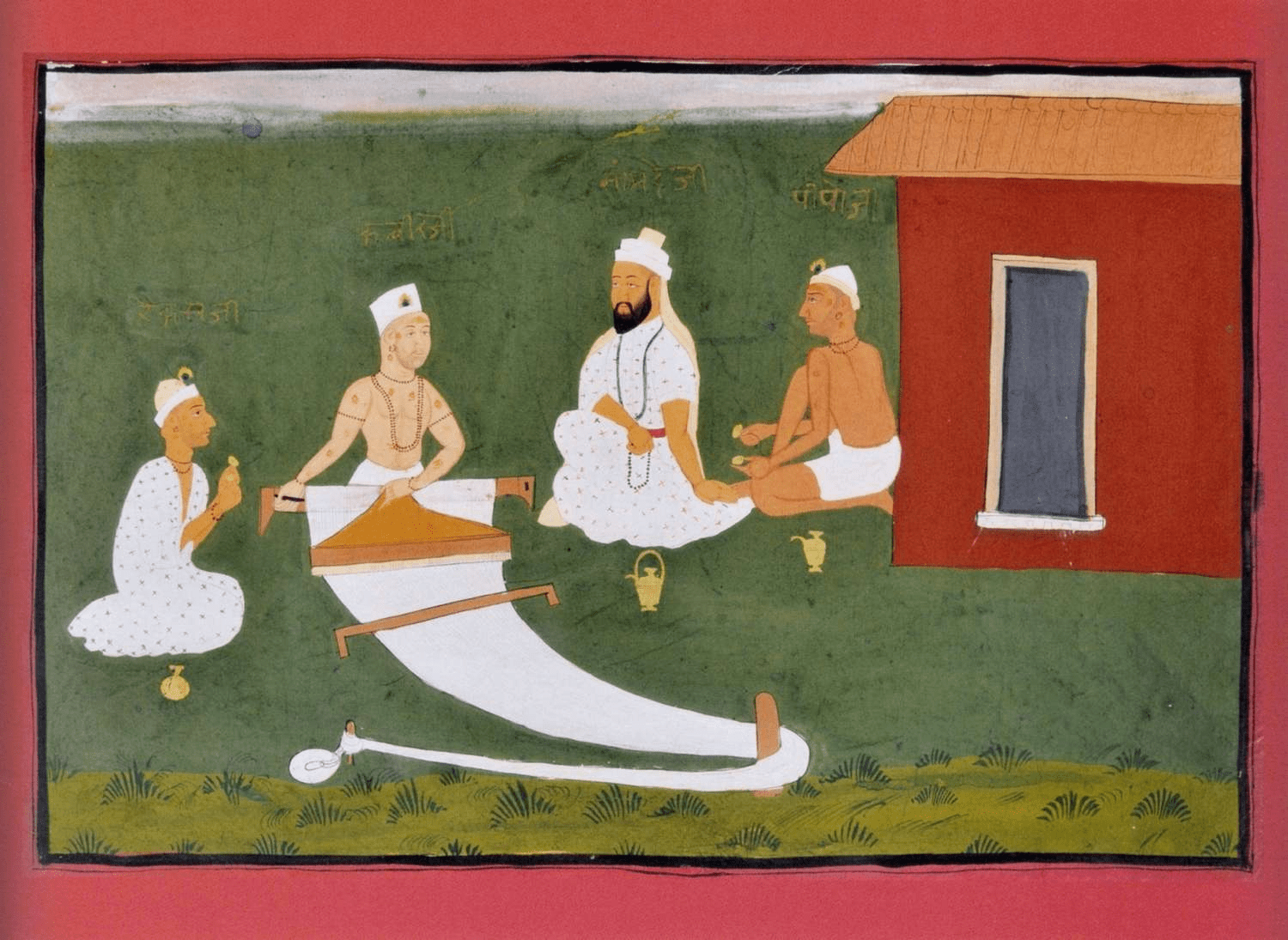
Kabir never separated spiritual insight from daily work. He was a weaver, grounded in physical labor. His respect for the guru does not remove a person from the world; it prepares them to live within it more honestly.
The doha guru govind dou khade carries an implicit message about karam, action. The guru shows how to work without ego, earn without exploitation, and live without deception. In Sikh thought, this aligns with kirat karni—earning through honest means.
A guru who teaches withdrawal but ignores injustice fails Kabir’s test. True guidance strengthens ethical participation in society, not escape from it.
Learning, Doubt, and the Courage to Ask
One reason Kabir remains relevant is his comfort with questioning. The doha itself begins with uncertainty. Guru and Govind stand together. The seeker does not know what to do. This hesitation is not weakness; it is the starting point of wisdom.
Kabir legitimizes doubt as part of learning. The guru’s role is not to silence questions but to sharpen them. In Hindi, one might say: sawal se hi samajh paida hoti hai.
This attitude matters deeply today, when certainty is often louder than understanding. Kabir reminds us that clarity grows through dialogue, not blind acceptance.
Ethical Leadership Through the Guru Lens
Viewed socially, guru govind dou khade becomes a standard for leadership. Anyone who claims authority—religious, political, educational—must be measured against this principle.
Ethical leadership, through Kabir’s lens, involves:
- Explaining reality rather than hiding it
- Empowering others to think independently
- Accepting accountability for guidance given
When leaders fail to illuminate truth, reverence becomes misplaced. Kabir’s doha quietly restores moral balance by shifting respect toward those who enlighten rather than dominate.
Transmission of Wisdom Across Generations
Kabir’s verses survived because they were spoken, remembered, and shared. The guru-student relationship was not institutional but relational. Knowledge moved through trust and lived example.
This oral tradition mirrors Sikh practices of katha and sangat, where learning unfolds collectively. Wisdom is not locked in texts alone; it breathes through conversation and shared reflection.
In this sense, every listener becomes responsible. Once Govind is revealed, one cannot pretend ignorance again. The guru opens the eyes; walking forward becomes the seeker’s duty.
Living the Doha in Everyday Choices
How does one live guru govind dou khade without robes or rituals? Kabir offers no checklist, but his tone suggests attention to daily decisions.
Practical expressions include:
- Choosing guidance over convenience
- Valuing correction more than praise
- Respecting those who teach truth, even when uncomfortable
These actions turn the doha from poetry into practice. Kabir never asked people to memorize verses; he asked them to transform conduct.
Inner Freedom and Moral Discipline
Kabir’s moksha is not a distant reward. It is freedom from भ्रम, confusion. The guru enables this freedom by revealing patterns of attachment and fear. Once seen clearly, they lose control.
This inner liberation echoes Sikh teachings, where liberation is lived while engaging fully with family, work, and community. The guru does not pull one away from life but anchors one within it, ethically and consciously.
Is this not the kind of freedom people still seek, even if they use different words?
Why the Doha Refuses to Age
Centuries later, guru govind dou khade still circulates because it addresses a permanent human tension: authority versus understanding. Kabir sides decisively with understanding.
He reminds us that truth is not inherited, purchased, or imposed. It is learned, often slowly, through guidance and humility. The guru matters because the guru points beyond themselves.
That humility may be Kabir’s greatest lesson. The guru bows before truth even while teaching it. And the seeker bows before wisdom, not power.
Carrying Kabir Forward
Kabir did not ask for followers. He asked for awakened individuals. His doha survives not because it demands obedience, but because it invites reflection.
Each time the verse is spoken, it renews a simple ethical question: who helped you see clearly, and how do you honor that gift? The answer is never abstract. It appears in how one speaks, works, and treats others.
Kabir’s voice remains calm, persistent, and uncompromising. The guru stands before Govind, not to replace the divine, but to make truth visible. That is why the doha endures.