
Aviator as a Symbol in Sikh Wisdom and the Journey of the Soul
In Sikh tradition, metaphors are not mere decoration — they are instruments for insight. The image of the Aviator, though modern in origin, resonates deeply with Guru Nanak’s teachings on liberation, inner flight, and overcoming the gravitational pull of ego. While Sikhism does not use the term aviator literally, its philosophical roots connect with the Sikh idea of spiritual elevation — soaring beyond attachment, greed, and illusion to merge with the Divine light.
The Soul as a Vessel: Sikhism’s View of Human Existence

Sikh thought sees the human body not as an end, but as a temporary container — a vessel designed for learning, serving, and eventually transcending.
Vessel and Flight: The Inner Aviator
An aviator needs a craft. In Sikh terms:
- The body is the craft
- The mind is the navigator
- The soul is the true pilot
To take flight, one must lighten the load — let go of ego, anger, greed, lust, and attachment. These are the Five Thieves that weigh down the soul and prevent lift.
Ajit Singh Khalsa observes: “ਜਦ ਤਕ ਅਸੀਂ ਆਤਮਾ ਨੂੰ ਹਵਾ ਵਿੱਚ ਨਹੀਂ ਉਡਾਉਂਦੇ, ਅਸੀਂ ਮਾਇਆ ਦੀ ਜ਼ਮੀਨ ਤੋਂ ਕਦੇ ਨਹੀਂ ਚੁੱਕਦੇ।”
Until we lift the soul into the air, we remain stuck on the runway of illusion.
Guru Nanak’s Teachings as Navigation Instruments
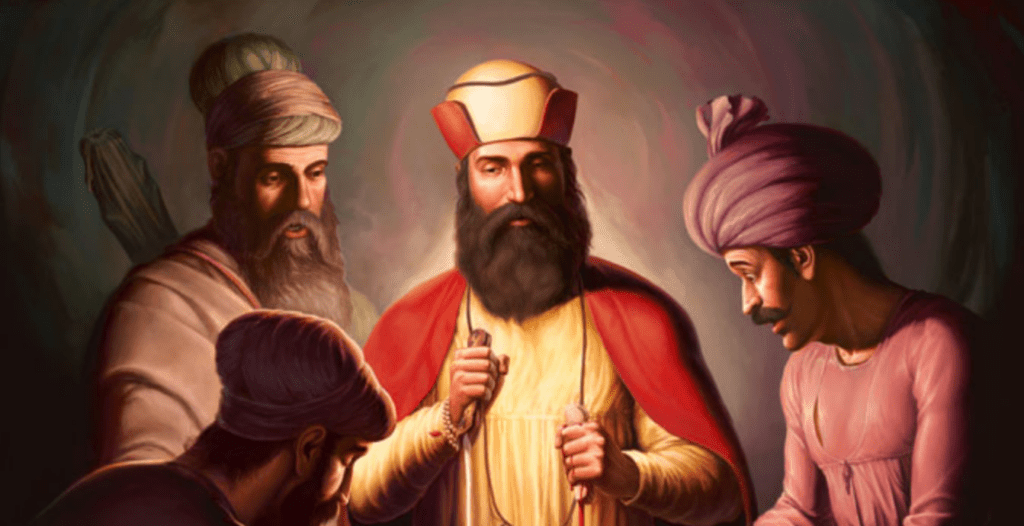
Just as aviators rely on instruments to stay aligned in the sky, Sikhs rely on the Guru Granth Sahib for guidance.
Key Teachings That Support the Flight
- Naam Japna — Remembering the name of God is like the steady hum of the engine: constant, grounding, and forward-moving.
- Kirat Karo — Honest work keeps the plane stable. Without it, the soul wobbles in turbulence.
- Vand Chhako — Sharing with others is like releasing extra fuel for others in the sky — you lighten your load and help others lift.
Guru Nanak did not just give a path — he gave the wings to walk it.
Aviator and Ego: Breaking Free from False Altitude
The challenge for any aviator is to know the difference between true altitude and illusion.
False Ascent: The Danger of Ego
In Sikhism, Ahankar (ego) is like faulty fuel — it pushes you fast, but it burns you out. Many rise in status, wealth, or pride, but they do not truly fly. They hover in Maya — the illusion of progress.
True ascent is:
- Silent, not showy
- Rooted in humility
- Guided by the Guru’s word
Sikhs are warned not to mistake the noise of success for the silence of flight.
Aviator as Seeker: A Metaphor for the Sikh Path
A real aviator does not fly without purpose — nor does a Sikh walk aimlessly. The spiritual aviator seeks Sachkhand — the realm of truth where the soul merges with the Creator.
Daily Flight Through Simran

Every day, Sikhs engage in:
- Morning remembrance (Amrit Vela)
- Kirtan and shabad singing
- Reflection on the Guru’s bani
These acts are like flight routines: they sharpen focus, clean the instruments, and ensure clear skies within.
Ajit Singh Khalsa: उड़ान वही सफल है जो मौन में जाती है।
The flight that succeeds is the one that ends in silence.
Gurdwara as an Aviator’s Hangar

Where do Sikhs worship? The gurdwara is more than a place of prayer — it is the hangar where the spiritual aviator prepares.
What Happens in the Hangar
- The Guru Granth Sahib is the control tower
- Sangat (community) provides direction and clarity
- Langar (communal meal) reminds one to stay grounded in humility
Before taking off again into the chaos of daily life, the Sikh comes here to realign with purpose.
Aviator, Discipline, and the Sikh Code
Every aviator follows code. So does every Sikh.
The Sikh code is not military — it is moral:
- Do not lie
- Do not exploit
- Serve without expecting return
- Remember God constantly
This code keeps the soul in balance, just as aviation protocols prevent disaster.
Aviator Metaphor in Sikh Teachings
| Aviator Concept | Sikh Spiritual Parallel |
| Flight | Soul’s journey toward union with God |
| Runway | Preparation through discipline and seva |
| Navigation Tools | Guru Granth Sahib, Naam, Sangat |
| Weight Limit | Letting go of ego, greed, and attachment |
| Engine Sound | Constant remembrance (Naam Japna) |
| Landing | Humility before death and rebirth |
Death and Rebirth: The Landing Is Not the End
In Sikhism, death is not a crash. It’s a landing. The aviator who flies with clarity returns to the Divine hangar — calm, clean, complete.

Those who flew lost in ego are forced to take off again — in another life, another craft, until they learn to soar.
A Last Reflection: What Type of Aviator Are You?
Are you chasing false heights or flying in truth?
The Sikh path invites you to:
- Check your weight (ego or humility?)
- Calibrate your compass (service or self?)
- Trust the Guru’s map — not your own pride
Because in the end, only the one who flies light reaches high.