दीवाली कब है 2020 और 2026: Diwali Dates, Meaning and Festival Calendar
Diwali 2020 was celebrated on Saturday, November 14, while Diwali 2026 will be celebrated on Sunday, November 8. For anyone searching “दीवाली कब है 2020” or “दीवाली कब है 2026,” the key point is that Diwali does not fall on the same Gregorian date every year because it follows the Hindu lunisolar calendar.
Diwali, also called Deepavali, is known as the Festival of Lights. It marks the victory of light over darkness, good over evil, and knowledge over ignorance. Families light diyas, decorate homes, perform Lakshmi Puja, exchange sweets, and gather with relatives and neighbours. Although the main Diwali day receives the most attention, the festival is usually observed across five days.
Diwali Dates from 2020 to 2026
The main Diwali celebration usually falls in October or November. The exact date changes because it is connected to Amavasya, the new moon day of the Hindu month of Kartik.
| Year | Main Diwali Date | Day |
| 2020 | November 14 | Saturday |
| 2021 | November 4 | Thursday |
| 2022 | October 24 | Monday |
| 2023 | November 12 | Sunday |
| 2024 | October 31 / November 1 | Thursday / Friday |
| 2025 | October 20 | Monday |
| 2026 | November 8 | Sunday |
The 2024 date may appear differently in some regional calendars because lunar tithi timing can overlap across two Gregorian dates. This is common with Hindu festivals, especially when puja timing depends on local sunrise, moon phase, and regional tradition.
Why Diwali Date Changes Every Year
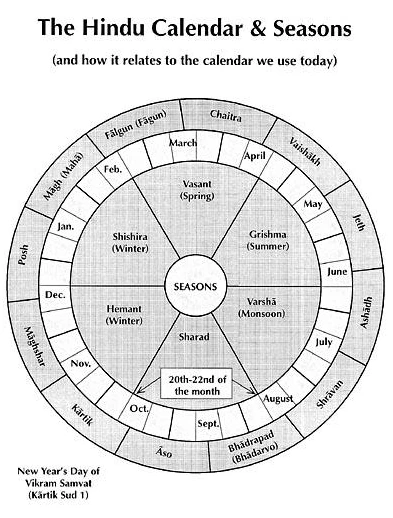
Many people expect festivals to fall on a fixed date, but Diwali works differently. It is calculated according to the Hindu lunisolar calendar, not only the standard Gregorian calendar used for daily civil life.
The Gregorian calendar follows the solar year. The Hindu calendar considers both the sun and moon. Because lunar months are shorter than solar months, festival dates shift each year when converted into the Gregorian calendar.
Diwali falls on Kartik Amavasya, the new moon night of the Kartik month. This is why the festival may be celebrated in late October in one year and early or mid-November in another.
This also explains searches such as “when is the next Diwali 2020” and “when is the next Diwali 2026.” The answer depends on the year’s lunar calculation, not a fixed annual date.
What Is Diwali or Deepavali?
The word Deepavali comes from Sanskrit and means a row of lamps. In many regions, Diwali and Deepavali are used interchangeably, though regional pronunciation and customs may vary.
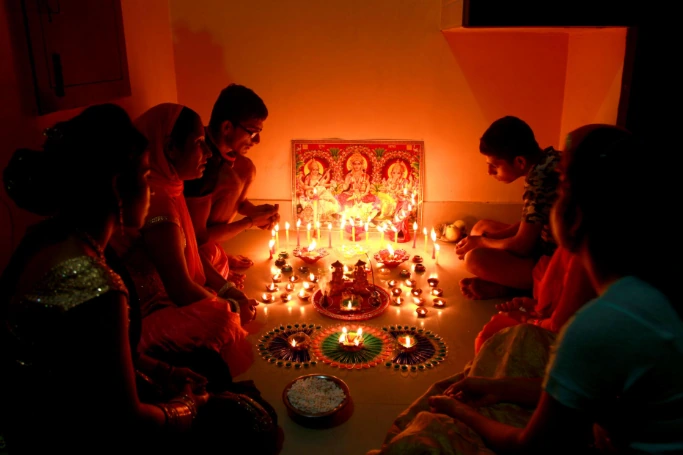
The festival is widely associated with light, prosperity, family, renewal, and devotion. For many Hindu families, Diwali is connected with Goddess Lakshmi, who is worshipped for prosperity, good fortune, and wellbeing.
Different regions also connect Diwali with different stories. In North India, it is often linked with Lord Rama’s return to Ayodhya after exile. In many business communities, it marks a time for new account books and financial renewal. In other traditions, it is associated with Krishna, Kali, Mahavira, Bandi Chhor Divas, or regional harvest and seasonal meanings.
This wide range of meanings is one reason Diwali is not limited to one community or one story.
The Five Days of Diwali
Diwali is often described as a five-day festival, though exact customs vary by region and family tradition. The main Diwali day is the third day, when Lakshmi Puja is commonly performed.
Dhanteras
Dhanteras begins the festive period in many households. People clean homes, buy utensils, gold, silver, or useful household items, and prepare for the main celebration. The day is associated with prosperity and auspicious beginnings.
Choti Diwali or Naraka Chaturdashi
The second day is often called Choti Diwali. In some regions, it is connected with the story of Krishna defeating Narakasura. Homes are decorated, lamps are prepared, and families begin more visible festive rituals.
Main Diwali and Lakshmi Puja
The third day is the central Diwali celebration. Diyas are lit, homes are decorated, sweets are exchanged, and Lakshmi Puja is performed in many Hindu households.
This is the date people usually mean when they ask “दीवाली कब है.”
Govardhan Puja
The fourth day is observed as Govardhan Puja in many regions. It remembers the story of Lord Krishna lifting Govardhan Hill and is connected with gratitude, devotion, and protection.
Bhai Dooj
The fifth day, Bhai Dooj, celebrates the bond between brothers and sisters. Sisters pray for their brothers’ wellbeing, and families gather for food, blessings, and gifts.
Diwali 2020: Why It Was Remembered Differently
Diwali 2020 was celebrated on Saturday, November 14. That year is remembered strongly because celebrations happened during a period when many families were cautious about large gatherings.
Even with restrictions and health concerns in many places, the festival continued through home puja, small family celebrations, lighting diyas, sharing sweets locally, and connecting digitally with relatives.
For readers searching “दीवाली कब है 2020,” the answer is simple in date terms, but the year also holds a specific memory: Diwali was more private, more home-centered, and less dependent on large public gatherings.
Diwali 2026: Date and Planning
Diwali 2026 will fall on Sunday, November 8. Because it falls on a weekend, many families may find it easier to plan gatherings, travel, home decoration, puja preparation, and community events.
For people asking “when is the next Diwali 2026,” the practical answer is November 8, but planning should also consider the surrounding days of the five-day festival. Dhanteras, Choti Diwali, Govardhan Puja, and Bhai Dooj may affect travel, shopping, school events, office schedules, and family visits.
Families who perform Lakshmi Puja usually check local panchang details closer to the date for the exact muhurat.
How Diwali Is Celebrated
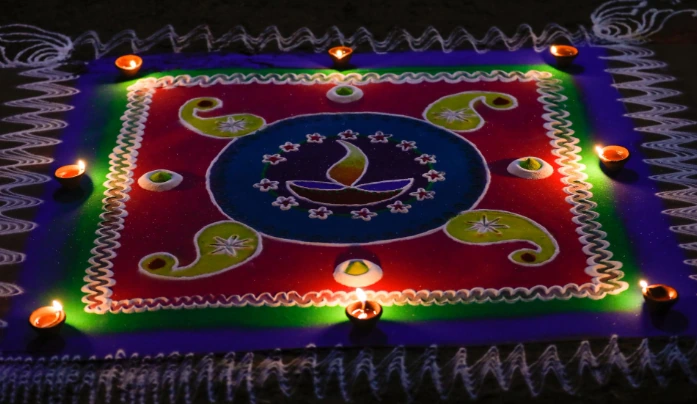
Diwali celebration begins before the main day. Homes are cleaned because the festival is associated with renewal, positivity, and welcoming prosperity. Many families decorate entrances with rangoli, flowers, torans, and diyas.
On the main evening, lamps are lit around homes, balconies, temples, and courtyards. Families wear new clothes, offer prayers, distribute sweets, and meet relatives.
Food also plays a major role. Mithai, savoury snacks, dry fruits, festive meals, and homemade treats are shared across households. In many communities, gifting is part of the celebration, especially among relatives, neighbours, employees, and business partners.
Fireworks are traditionally associated with Diwali in many regions, but awareness around pollution, safety, pets, elderly people, and children has changed how many families celebrate. More people now prefer diyas, lights, community gatherings, and quieter celebrations.
Diwali Across Different Traditions
Although Diwali is one of the most important Hindu festivals, it is also observed by Jains, Sikhs, and some Buddhists, each with different religious meanings.
For Jains, Diwali is associated with Mahavira’s nirvana. For Sikhs, the period is connected with Bandi Chhor Divas, remembering Guru Hargobind Sahib Ji’s release from imprisonment. Some Buddhist communities also observe related traditions in their own way.
This is why Diwali is both a religious and cultural festival. It carries spiritual meaning, but it also functions as a shared celebration of family, community, light, and hope.
Why Diwali Is Called the Festival of Lights
The phrase Festival of Lights is not only decorative. Light is the central symbol of Diwali.
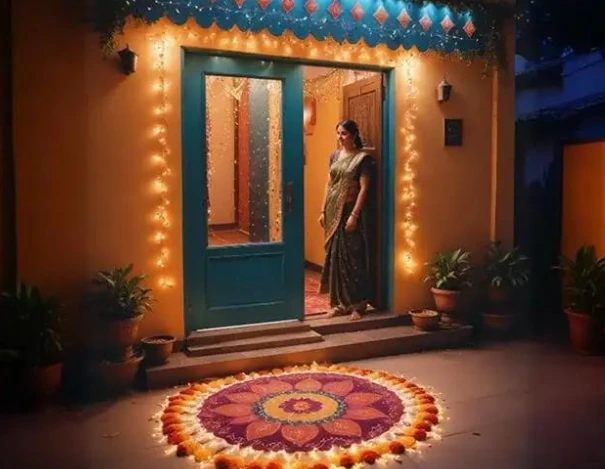
A diya represents clarity, wisdom, hope, and divine presence. Lighting lamps on the darkest night of Kartik carries a strong message: darkness is not removed by force, but by bringing light.
This symbolism makes Diwali meaningful even beyond ritual. It encourages people to remove negativity, forgive, begin again, and create warmth in family and community life.
How to Use the Diwali Calendar for Planning
The best way to plan Diwali is to look at both the main date and the full festival window. If you are arranging travel, school activities, office celebrations, family gatherings, or temple visits, the days before and after Diwali matter too.
For 2026, keep Sunday, November 8 as the main Diwali date. Then check the surrounding festival days closer to the year for local puja timings and regional observances.
For 2020 records, remember Saturday, November 14 as the main Diwali date.
A Festival That Moves by Date but Stays Constant in Meaning
Diwali changes date every year, but its meaning remains steady. Whether someone is looking for दीवाली कब है 2020, दीवाली कब है 2026, or future Diwali dates, the reason behind the date shift is the same: the festival follows the lunar rhythm of Kartik Amavasya.
The deeper message is also the same every year. Diwali invites families and communities to bring light into daily life through prayer, kindness, renewal, generosity, and togetherness.